Using picture storybooks to teach literary devices
Susan T. Hall

Using picture storybooks to teach literary devices
Age Rating, Reading Level & Content Guide
Recommended Books for Children and Young Adults
by Susan T. Hall
The text is written at a 4th grade reading level, the subject matter is intended for middle graders (ages 9–12), and the content is gentle with no concerning themes.
We may earn a commission from these links. Bookshop.org supports independent bookstores with every purchase.
About This Book
Did you know that picture storybooks are secret treasure chests filled with clever tricks like puns, similes, and allusions? Imagine uncovering these hidden gems while reading your favorite stories! This book shows you how to spot these cool literary devices and why they make stories sparkle.
Themes
Quick Assessment
This nonfiction guide is designed for middle-grade readers and educators, offering a comprehensive bibliography of over 500 picture storybooks that demonstrate a wide range of literary devices. Each entry provides detailed summaries, examples, and teaching suggestions, making it a valuable resource for introducing literary concepts in an engaging way. The content is appropriate for ages 9-12 and focuses on enhancing reading and literary analysis skills without any sensitive material.
Why we rated Using picture storybooks to teach literary devices 9C
Using picture storybooks to teach literary devices is written at a Level 4-5 reading level across 184 pages. Strong independent readers around grade 5.5 can typically handle this book on their own; with parent or teacher support, Using picture storybooks to teach literary devices works for readers up to grade 6.5.
We rate Using picture storybooks to teach literary devices as 9C ("Clear") because the content sits in the "Gentle" range — no conflict beyond everyday childhood experiences. Across our four dimensions (emotional, physical, social, thematic) the book reads as evenly gentle; no single dimension stands out as a concern.
No specific content flags were raised by community reviewers, which is consistent with the gentle intensity score.
Thematically, Using picture storybooks to teach literary devices explores children's stories, literary devices, education, bibliography, and reading — these threads give the book room to mean different things to different readers.
Good fit for
- ✓ Children in the Ages 9-12 range — the maturity and attention span match the story's pacing.
- ✓ Patient readers who enjoy slower, character-driven stories.
- ✓ Kids drawn to stories about children's stories, literary devices, education.
- ✓ Curious kids who prefer real-world topics over made-up stories.
Maybe not for
- ! Readers whose emotional readiness lags behind their decoding skills — this book's intensity outruns its reading level, a classic "gifted kid" mismatch.
- ! Reluctant readers who need a fast hook — the pacing here rewards patience.
For Parents
Content Intensity
9C — ClearNo conflict beyond everyday childhood experiences. Safe for sensitive readers.
Was our "Gentle" content intensity rating accurate for this book?
Reading Insights
Hook Factor
1/10A steady, thoughtful read that rewards patient readers.
Discussion Potential
1/10A lighter read — great for independent enjoyment.
Book DNA
Multi-dimensional content fingerprint
Similar Books
Based on content and theme analysis
Using picture storybooks to teach literary devices
Susan T. Hall
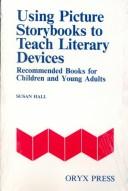
Using picture storybooks to teach literary devices
Susan T. Hall
Using Picture Books to Teach Narrative Writing
Naomi Laker

Using Picture Books to Teach Narrative Writing
Naomi Laker
Using Picture Books to Teach Language Arts Standards in Grades 3-5
Brenda S. Copeland
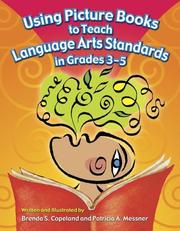
Using Picture Books to Teach Language Arts Standards in Grades 3-5
Brenda S. Copeland
Using Picture Books 1
Joyce Roberts; Tammy Watanabe Hall

Using Picture Books 1
Joyce Roberts; Tammy Watanabe Hall
Using Picture Storybooks to Teach Character Education
Susan Hall
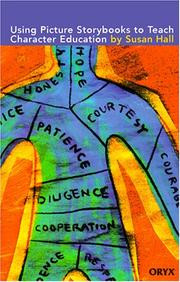
Using Picture Storybooks to Teach Character Education
Susan Hall
Using wordless picture books
Katharyn E. Tuten-Puckett

Using wordless picture books
Katharyn E. Tuten-Puckett
Details
Book Length
- ISBN
- 0897745825
- Pages
- 184
- Publisher
- Greenwood
- Published
- 2002
- Type
- Nonfiction