HootRated mascot HootRated

Banned Books: Why They Were Banned & Why They Shouldn't Be

A history of censorship in American schools and libraries — with the case for intellectual freedom.

Every book on this page has been banned, challenged, or removed from a U.S. school or public library. Some are picture books for five-year-olds. Some are Pulitzer and Nobel Prize winners. Many are the most-assigned novels in American high schools. All of them, at some point, were deemed too dangerous for someone to read.

This is a reference for parents, educators, and students. For each book, we explain why it was banned, when and where, and what its historical significance means. The goal isn't to tell you what your child should read — it's to give you the context to decide for yourself, rather than having someone else decide for you.

A Brief History of Book Banning

Book censorship in America is as old as the Republic. The first U.S. obscenity prosecution was in 1821. The Comstock Act of 1873 criminalized sending "obscene" materials through the mail, a definition broad enough to target medical texts, literary fiction, and even dictionaries.

The modern era of library challenges took shape after World War II. The American Library Association adopted its Library Bill of Rights in 1939 and began tracking challenges systematically in the 1980s. The landmark 1982 Supreme Court case Board of Education v. Pico affirmed that school boards cannot remove books from libraries simply because they dislike the ideas contained in them.

In the 2020s, book challenges reached their highest numbers since tracking began. PEN America documented over 10,000 instances of book bans in U.S. public schools during the 2023–24 school year alone — a more than tenfold increase from a decade earlier.

Why Banning Books Doesn't Protect Children

The impulse to protect children is universal and legitimate. The question is whether removing access actually achieves that — and the research says it doesn't.

  • Age-appropriate difficulty builds resilience. Children who engage with challenging themes through literature — loss, conflict, fear — develop stronger emotional regulation than children who don't. This is consistent across developmental psychology research from Bruno Bettelheim forward.
  • Bans target symptoms, not causes. The issues most often cited in book challenges — violence, racism, inequality, mental illness — exist independent of books. Removing the books doesn't remove the realities they describe; it removes children's framework for processing them.
  • One family's objection is another family's curriculum. A book that doesn't belong in one home may be central to another. Public libraries and schools serve entire communities — removing a book deprives every family of the choice to read it.
  • Censorship rarely stops where it starts. The same arguments used to ban "The Giving Tree" for subservience were later used to ban "Charlotte's Web" for blasphemy and "To Kill a Mockingbird" for racial language. Once removal becomes acceptable, the criteria expand.

A Better Alternative: Informed Choice

Parents have always had the right to decide what their own child reads. What they don't have — and shouldn't have — is the right to make that decision for every other family's children.

This is why HootRated exists. Every book in our catalog is rated for reading level (how hard it is to read) and content intensity (how emotionally or thematically heavy it is). You get the full picture before deciding. No book is hidden. No family is silenced.

The Books

107 books. Each entry below shows the book, why it was challenged, when and where, and why it matters.

Cover of Animal Farm

Animal Farm

by George Orwell

Why It Was Banned

Criticism of communism (banned in the USSR and Cuba), criticism of all totalitarianism (challenged elsewhere), 'political bias,' talking animals (some religious objections).

Ban History

Banned in the USSR until 1988, in Cuba through the post-Soviet era, in UAE schools in 2002 (for anti-Islamic content claims), and in Kenya in 1991. Also challenged in U.S. schools.

Historical Significance

Orwell's 1945 allegory remains the most accessible introduction to propaganda and political manipulation ever written for general audiences. Its bans — across the ideological spectrum — prove the book's thesis: any power that cannot be criticized becomes tyranny.

View HootRating & reading details →
Cover of Beloved

Beloved

by Toni Morrison

Why It Was Banned

Sexual violence (rape, incest), infanticide, bestiality, racist language (used in context of depicting slavery), 'graphic violence.'

Ban History

A flashpoint in the 2021 Virginia gubernatorial election. Banned or restricted in Fairfax County, VA (2022), Wentzville, MO, and dozens of districts. ALA's #1 most-challenged book of 2006.

Historical Significance

Toni Morrison's 1987 Pulitzer and Nobel-recognized novel is a work about the afterlife of slavery — specifically, the psychic cost on enslaved people who killed their own children rather than see them returned to bondage. The challenges illustrate a difficult truth: when literature accurately depicts the worst of American history, those depictions become targets.

View HootRating & reading details →
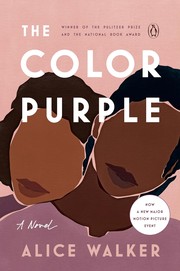
Cover of The Color Purple

The Color Purple

by Alice Walker

Why It Was Banned

Sexual content, violence (including incest and rape), profanity, and 'troubling ideas about race relations.'

Ban History

ALA top-10 most-challenged book repeatedly since its 1982 publication. Banned in Souderton, PA (1992), challenged in Oakland, CA, and dozens of other U.S. districts.

Historical Significance

Alice Walker's 1982 Pulitzer-winning epistolary novel centers a Black woman's survival of sexual and domestic violence in the early-20th-century South. The challenges highlight a pattern: books centering Black women's trauma are disproportionately targeted.

View HootRating & reading details →
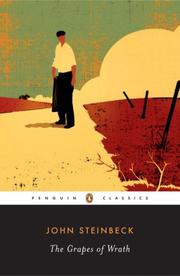
Cover of The Grapes of Wrath

The Grapes of Wrath

by John Steinbeck

Why It Was Banned

Profanity, sexual content, political content (pro-labor/anti-capitalist themes), 'obscene language.'

Ban History

Banned in Kern County, California — the very setting of the book — in 1939, months after publication. Publicly burned in St. Louis and East St. Louis. Challenged in dozens of schools since.

Historical Significance

Steinbeck's 1940 Pulitzer winner documented the Dust Bowl migration and exposed exploitation of migrant labor. The Kern County ban — where the book's events took place — is one of the most famous cases of literature being banned not for harm, but for telling an uncomfortable truth.

View HootRating & reading details →
Cover of The Great Gatsby

The Great Gatsby

by F. Scott Fitzgerald

Why It Was Banned

Sexual references, profanity, alcohol use, 'immoral characters.'

Ban History

Challenged in Baptist College, SC (1987) for 'language and sexual references.' Periodically challenged in high schools since.

Historical Significance

Fitzgerald's 1925 novel is the definitive American novel of the Jazz Age and a cornerstone of U.S. high school curriculum. Its challenges — for content milder than most modern TV — show how perennially moving standards of 'appropriate' content can be.

View HootRating & reading details →
Cover of Ulysses

Ulysses

by James Joyce

Why It Was Banned

Obscenity, sexual content, profanity, depiction of adultery and bodily functions.

Ban History

Banned in the United States from 1921 to 1933. The landmark 1933 case United States v. One Book Called Ulysses established new First Amendment protections for literary works. Banned in the UK until 1936, and in Ireland for decades.

Historical Significance

James Joyce's 1922 novel is considered one of the greatest works of 20th-century literature. The 1933 Ulysses decision is a cornerstone of American free-speech law — Judge Woolsey's ruling held that 'serious literary merit' overrides obscenity claims, permanently shifting how courts evaluate artistic expression.

View HootRating & reading details →
Cover of A Separate Peace

A Separate Peace

by John Knowles - undifferentiated

Why It Was Banned

Profanity, violence, depiction of boarding-school culture deemed elitist, and negative portrayal of adult authority.

Ban History

Challenged in Vernon-Verona-Sherrill (NY) and Chicago schools in the 1980s. Remains on U.S. high school curricula despite periodic challenges.

Historical Significance

John Knowles's 1959 novel is a quiet, nuanced exploration of friendship, envy, and the intimate stakes of male adolescence during wartime. The challenges reveal how often discomfort with emotional intensity — not explicit content — drives book objections.

View HootRating & reading details →
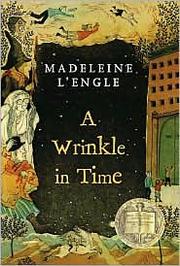
Cover of A wrinkle in time

A Wrinkle in Time

by Kari Sutherland

Why It Was Banned

Witchcraft, occult themes, use of Jesus alongside other historical figures (deemed blasphemous), and undermining religious beliefs.

Ban History

One of the most banned books of the 1990s. Challenged in dozens of U.S. school districts, particularly in the South. Newbery Medal winner in 1963.

Historical Significance

Madeleine L'Engle's novel introduced generations of young readers — especially girls — to science fiction. The irony of banning a Christian author's work for 'undermining religion' highlights how censorship often punishes theological nuance.

View HootRating & reading details →
Cover of Adventures of Huckleberry Finn

Adventures of Huckleberry Finn

by Mark Twain

Why It Was Banned

Racial slurs (219 uses of the n-word), depiction of slavery, 'racial stereotypes,' profanity.

Ban History

Banned by the Concord, Massachusetts Public Library in 1885 as 'trash suitable only for the slums.' Challenged continuously since — most recently for its racial language, with editions published that replace the slur with 'slave.'

Historical Significance

Twain's 1884 novel is widely considered a foundational work of American literature and an explicit anti-slavery satire. The challenges for racial language reflect the deep tension between preserving historical text and protecting students from its language — a genuine pedagogical question that banning cannot resolve.

View HootRating & reading details →
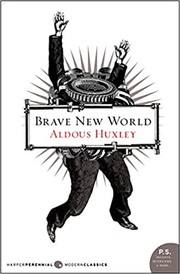
Cover of Brave New World

Brave New World

by Aldous Huxley

Why It Was Banned

Sexual content, drug use (soma), religious content, 'conflict with family values,' 'negative portrayal of society.'

Ban History

Banned in Ireland (1932), Australia (1932–1937). Challenged throughout the U.S.: Miller, MO (1980), Yukon, OK (1988), and most recently Seattle Public Schools restrictions in 2021.

Historical Significance

Huxley's 1932 dystopia — which he considered scarier than '1984' because its totalitarianism is pleasurable — remains one of the most assigned novels in U.S. high schools. Its bans often target the very themes it critiques: pleasure and comfort as tools of control.

View HootRating & reading details →
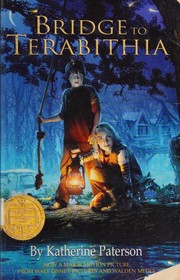
Cover of Bridge to Terabithia

Bridge to Terabithia

by Katherine Paterson

Why It Was Banned

Profanity, references to witchcraft, death of a child, 'secular humanism' undermining religious values.

Ban History

ALA top-10 most-challenged books of 2002 and 2003. Katherine Paterson has been one of the most-banned U.S. children's authors overall.

Historical Significance

The 1977 Newbery Medal winner was one of the first children's books to address grief — real, unresolved child grief — without bypassing it. Banning it for 'dealing with death' denies children literature that helps them process loss.

View HootRating & reading details →
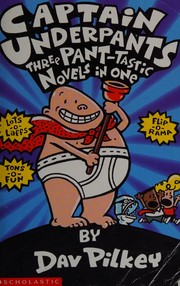
Cover of Captain Underpants

Captain Underpants

by Dav Pilkey

Why It Was Banned

Crude humor, potty jokes, and — critics claimed — encouraging 'disrespect for authority.'

Ban History

ALA's #1 most-challenged book series from 2012–2013. Dav Pilkey has spoken publicly about growing up with ADHD and creating the series as a reluctant reader himself.

Historical Significance

Pilkey's series has done more to get reluctant readers — especially boys — to finish chapter books than almost any other title. Banning it for 'disrespect' misunderstands how humor works as a gateway to reading.

View HootRating & reading details →
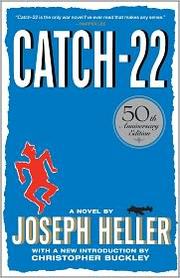
Cover of Catch-22

Catch-22

by Joseph Heller

Why It Was Banned

Profanity, sexual content, anti-war / anti-military themes, 'obscene language.'

Ban History

Banned in Strongsville, OH (1972), Dallas, TX (1974), and Snoqualmie, WA (1979). Challenged sporadically since.

Historical Significance

Heller's 1961 satire gave English the term 'Catch-22' for impossible bureaucratic logic. Banning anti-war literature during wartime, as critics like the National Coalition Against Censorship noted, turns the book's satire into reality.

View HootRating & reading details →
Cover of Charlotte's Web

Charlotte's Web

by E. B. White

Why It Was Banned

Depiction of talking animals deemed 'unnatural and blasphemous' by some religious groups; death of a main character; pig as protagonist considered offensive in some cultures.

Ban History

Banned in a Kansas school district in 2006 for the talking-animals objection. Periodically challenged in U.S. schools since publication.

Historical Significance

E. B. White's 1952 novel is the best-selling children's paperback of all time. Its challenges reveal how even the gentlest books can be targets — and how 'harmful to children' is often an adult-only framework.

View HootRating & reading details →
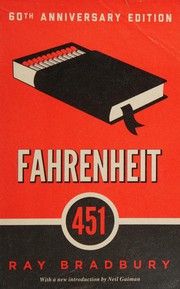
Cover of Fahrenheit 451

Fahrenheit 451

by Ray Bradbury

Why It Was Banned

Profanity, discussion of drugs and alcohol, 'anti-Christian' content, 'use of God's name in vain,' and — most ironically — some versions had content expurgated by the publisher without Bradbury's knowledge.

Ban History

Bradbury himself discovered in 1979 that Ballantine Books had been publishing a bowdlerized version for years, with 75 passages altered. The book — about book-burning — has been banned in schools in Irvine, CA (2006), Venado Middle School (1992), and others.

Historical Significance

Bradbury's 1953 dystopia is the definitive literary argument against censorship itself. The fact that it has been banned — and was edited without the author's consent — makes it a uniquely self-referential case in the history of book censorship.

View HootRating & reading details →
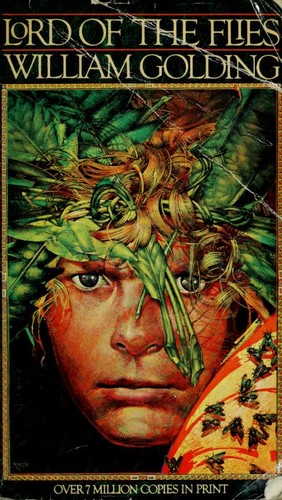
Cover of Lord of the flies

Lord of the Flies

by William Golding

Why It Was Banned

Profanity, violence among children, 'demoralizing' suggestion that human nature inclines to savagery, 'too depressing' for young readers.
Ban History

ALA top-100 challenged books of the 1990s. Banned in Sully Buttes, SD (1981), Owen, NC (1981), Marana, AZ (1983), and elsewhere.
Historical Significance

William Golding's 1954 novel, written partly as a rebuttal to Victorian adventure stories that romanticized boys stranded in the wild, earned him the Nobel Prize in 1983. Banning it for 'pessimism' is itself an argument about what children should believe — which is the same kind of ideological filtering the book interrogates.

View HootRating & reading details →
Cover of Of Mice And Men

Of Mice and Men

by Harold Bloom

Why It Was Banned

Profanity, racial slurs (depicting 1930s-era racism), violence, mature themes, disability depiction.

Ban History

One of the most frequently challenged books in U.S. high schools from the 1970s onward. ALA top-100 most-challenged books of the decade, repeatedly.

Historical Significance

Steinbeck's 1937 novella is considered one of the great American works on loneliness, friendship, and the brutalities of Depression-era migrant life. Banning it for depicting historical racism — rather than teaching the history it depicts — strips students of context they need.

View HootRating & reading details →
Cover of Slaughterhouse-Five

Slaughterhouse-Five

by Kurt Vonnegut

Why It Was Banned

Profanity, sexual content, anti-war themes, 'crude language,' and 'obscenity.'

Ban History

The subject of the 1982 Supreme Court case Board of Education v. Pico, which established that school boards cannot remove books from libraries 'simply because they dislike the ideas contained in those books.' Publicly burned in Drake, ND (1973).

Historical Significance

Kurt Vonnegut's 1969 anti-war novel is inseparable from its legal legacy: the Pico case is the landmark U.S. court decision on student First Amendment rights to access books. Few novels have had a more direct impact on the jurisprudence of intellectual freedom.

View HootRating & reading details →
Cover of The adventures of Tom Sawyer

The Adventures of Tom Sawyer

by Quadrum Solutions (Firm)

Why It Was Banned

Racial slurs, use of the n-word, depicting 1840s racial attitudes, 'bad language' and tobacco use.

Ban History

Challenged continually since the 1950s. Often bundled with challenges against Huckleberry Finn.

Historical Significance

Twain's 1876 novel launched the American 'bad boy' archetype. The race-language challenges present a genuine pedagogical question — but censorship (rather than contextualized teaching) removes the opportunity to discuss how language encodes power.

View HootRating & reading details →
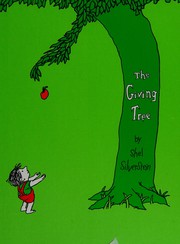
Cover of The giving tree

The Giving Tree

by Shel Silverstein

Why It Was Banned

Challenged as sexist and anti-environmentalist — critics argued the tree's self-sacrifice portrayed female subservience, while others saw glorification of destroying nature.

Ban History

Removed from a Colorado public library in 1988 on the basis of promoting an 'unhealthy' relationship dynamic. Reappears on challenge lists in the 1990s–2000s.

Historical Significance

Shel Silverstein's 1964 parable is one of the most-gifted children's books in American publishing history, yet remains controversial for the very themes that make it teachable — generosity, regret, the ethics of giving until nothing's left.

View HootRating & reading details →
Cover of The Hunger Games

The Hunger Games

by Kate Egan

Why It Was Banned

Violence, anti-government themes, sexual content (minor), religious viewpoint conflicts, 'insensitivity' and 'satanic' content.

Ban History

ALA top-10 most-challenged books 2010, 2011, 2013, 2014. Focus of coordinated challenges in Texas, Florida, and Utah.

Historical Significance

Suzanne Collins's trilogy is a direct literary descendant of '1984' and 'Lord of the Flies' — dystopian fiction that asks young readers to think critically about power, propaganda, and complicity. Its challenges often conflate depicting violence with endorsing it.

View HootRating & reading details →
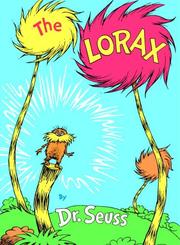
Cover of The Lorax

The Lorax

by Seuss Dr.

Why It Was Banned

Depicting the logging industry unfavorably — critics argued it portrayed loggers as villains.

Ban History

Banned in Laytonville, California (1989) at the request of a local logging-family-owned company, with claims the book was propaganda. ALA challenges documented through the 2000s.

Historical Significance

Dr. Seuss's 1971 environmental fable became a flashpoint in debates about environmental education. The 1989 ban is one of the most documented cases of industry-led book censorship, later studied in academic literature on corporate influence over schools.

View HootRating & reading details →
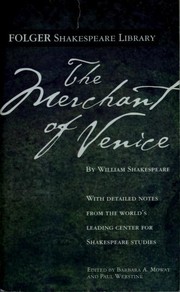
Cover of The merchant of Venice

The Merchant of Venice

by Jennifer Mulherin

Why It Was Banned

Antisemitic portrayal of Shylock, slurs, 'harmful stereotypes of Jewish people.'

Ban History

Removed from schools in multiple U.S. districts since the 1980s for antisemitism concerns. Still widely taught with context about its portrayal of prejudice.

Historical Significance

Shakespeare's c. 1597 play has been taught for centuries as both a romantic comedy and a study of systemic prejudice. Modern challenges reflect evolving sensitivity to representation — balancing historical preservation against the harm of platforming stereotypes.

View HootRating & reading details →
Cover of The Outsiders

The Outsiders

by S. E. Hinton

Why It Was Banned

Gang violence, underage drinking and smoking, profanity, family dysfunction.

Ban History

Challenged repeatedly since publication in 1967. Removed from required reading in Boone County, Kentucky (1986) and other districts through the 1990s.

Historical Significance

S. E. Hinton wrote it at 15. 'The Outsiders' pioneered the young adult genre — the first mainstream novel that depicted teen life honestly, without the moralizing filter adults impose. Banning it treats the mirror as the problem.

View HootRating & reading details →
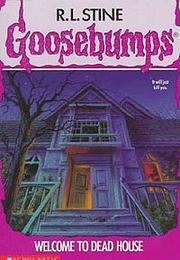
Cover of Welcome to Dead House

Welcome to Dead House

by Robert Lawrence Stine

Why It Was Banned

Horror themes, zombies, death, 'too scary for children.'

Ban History

The first entry in R.L. Stine's Goosebumps series (1992) helped land the entire series on ALA's most-challenged list throughout the 1990s. Frequently pulled from elementary school libraries.

Historical Significance

R.L. Stine's Goosebumps series got millions of reluctant readers — especially in the 8-to-12 range — to read for pleasure. Banning the entry points to horror for children often cuts off their entire pathway into the genre.

View HootRating & reading details →

Frequently Asked Questions

Why are books banned?

Books are typically challenged or banned for content about race, sexuality, violence, drug use, profanity, religious viewpoints, or political content. The most common pattern: a small group of adults objects to specific passages and works to remove the book from schools or libraries. The American Library Association tracks hundreds of challenges every year.

What is the difference between a banned book and a challenged book?

A challenge is a formal, written complaint asking for a book to be removed or restricted. A ban is a successful challenge that actually removes the book from circulation. Most challenges don't result in bans — libraries and schools have review processes that weigh intellectual freedom against community concerns.

Who decides to ban a book?

Typically a school board, library board, or individual library director — sometimes under pressure from parents, political groups, or religious organizations. In the landmark 1982 Supreme Court case Board of Education v. Pico, the Court ruled that school boards cannot remove books from libraries simply because they dislike the ideas in them.

Are banned books bad for children?

Research from the American Psychological Association and educational researchers consistently finds that engaging with difficult themes through age-appropriate literature helps children develop empathy, critical thinking, and emotional resilience. The question isn't whether to shield children from all difficulty — it's whether parents, teachers, and children themselves should be the ones choosing what they read.

How can parents make informed decisions without banning?

Rating systems like HootRated provide content transparency without removing choice. Every book in our catalog is rated for reading level AND content intensity. Parents can see exactly what themes and content a book contains, then decide individually — without needing to restrict access for other families.

Find the right book for your child

HootRated rates 38 children's books for reading level and content intensity. Search by title, author, or age — see the full picture before you decide.

Sources: American Library Association Office for Intellectual Freedom; PEN America; Marshall University Banned Books research collection; Library of Congress; publisher records.