
Reviewed by HootRated editorial · Last updated
The glass castle
Jeannette Walls
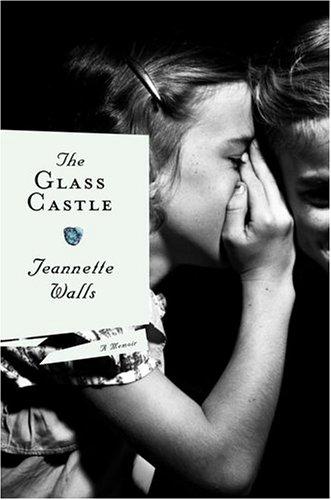
The glass castle
Age Rating, Reading Level & Content Guide
A Memoir
by Jeannette Walls
The text is written at a 5th grade reading level, the subject matter is intended for teens (ages 13+), and the content is intense and may include graphic or distressing scenes. Its HootRating code, IE, means intense content, mostly emotional.
We may earn a commission from these links.
About This Book
Growing up in a struggling mining town, Jeannette and her siblings face challenges as their father’s drinking and absence deepen their family’s struggles. Amid hardship and neglect, they rely on each other’s strength and resilience to navigate a difficult childhood and eventually find a way to build a better future. This powerful story reveals both the pain and the enduring love within a family marked by turmoil and hope.
About & Banning Context
The Glass Castle is a memoir that explores the complex dynamics of a dysfunctional family. Jeannette Walls recounts her childhood with parents who had contrasting personalities. Her father, when sober, was an inspiring figure who introduced his children to various subjects and encouraged them to live boldly. However, his alcoholism led to erratic and harmful behavior. Meanwhile, her mother rejected traditional family roles and responsibilities, leaving the children to fend for themselves. As they grew up, the Walls siblings learned to support one another and eventually moved to New York City. Despite their struggles, their parents chose a life of homelessness, even as their children began to thrive. This memoir highlights themes of resilience, familial love, and the challenges of growing up in an unconventional environment.
- ● PSLA Fiction List
- ● ALA Alex Award
- ● Pennsylvania School Librarian Association (PSLA) "Top Ten (Or So)" Young Adult Books
- ● Eliot Rosewater Indiana High School Book Award
- ● Virginia Readers' Choice Award List
- ● ALA Popular Paperbacks for Young Adults - Top Ten
- ● Heather's Pick – Fiction
- ● #1 New York Times Bestseller
Themes
Quick Assessment
This is a Level 5-6 book with intense content intensity. Content themes include alcoholism, neglect, family dysfunction. Written for readers ages 13+.
Why we rated The glass castle IE (Intense)
The glass castle is written at a Level 5-6 reading level across 288 pages (approximately 74,218 words). Upper Grades (Ages 13+) is the typical interest range for this book — readers in that age band have the maturity and attention span suited to the story, separate from whether they can decode the words.
Read aloud, The glass castle runs about 8.3 hours — long enough to span several bedtime sessions.
We rate The glass castle as IE (Intense, mostly emotional) because the content sits in the "Intense" range — intense conflict including peril, frightening scenes, or emotionally heavy themes. The strongest signals come from emotional weight, social complexity — these are the dimensions parents should evaluate against their reader's tolerance.
Specific content flags noted by reviewers: Alcoholism, Neglect, Family Dysfunction, Emotional: Loss & Grief, Emotional: Family Change, Emotional: Fear & Anxiety.
Thematically, The glass castle explores family, coming of age, resilience, social justice, and problem families — these threads give the book room to mean different things to different readers.
Good fit for
- ✓ Children in the Ages 13+ range — the maturity and attention span match the story's pacing.
- ✓ Patient readers who enjoy denser, slower-paced text.
- ✓ Readers ready to talk through themes after they finish — there's enough substance for a meaningful conversation.
- ✓ Kids drawn to stories about family, coming of age, resilience.
- ✓ Curious kids who prefer real-world topics over made-up stories.
Maybe not for
- ! Sensitive readers who get overwhelmed by intense conflict or scary scenes.
- ! Children younger than 13 — the content intensity is above what most younger kids can process comfortably.
- ! Children currently coping with grief — the themes may hit close to home.
- ! Reluctant readers who need a fast hook — the text is dense and the pacing rewards patience.
For Parents
Content Intensity
IE · Intense · EmotionalReading the HootRating code: the first letter is the content intensity (C = Gentle · L = Mild · M = Moderate · I = Intense · V = Very Intense); the second, when there is one, is the kind of content that drives it (E = Emotional · P = Physical · S = Social · T = Thematic). Reading level and age range are rated separately. How we rate
Heavy themes explored in depth. War, death, abuse addressed directly.
Content Flags
Was our "Intense" content intensity rating accurate for this book?
Reading Insights
Hook Factor
1/10A denser, slower-paced read that rewards patient readers.
Discussion Potential
4/10Good conversation starter with themes worth exploring together.
Book DNA
Multi-dimensional content fingerprint
If your child liked this book, they might like these
Matched on content and themes — all rated for reading level and content intensity.
Battered women
Gail B. Stewart

Battered women
Gail B. Stewart
Belonging
Michelle Miller
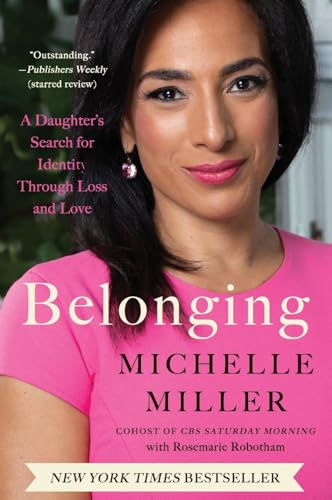
Belonging
Michelle Miller
Blackbird
Jennifer Lauck

Blackbird
Jennifer Lauck
A list of things that didn't kill me
Jason Schmidt

A list of things that didn't kill me
Jason Schmidt
Teens in prison
Gail Stewart
Teens in prison
Gail Stewart
The War At Home
Mary Turck
The War At Home
Mary Turck
Child abuse
Gail Stewart
Child abuse
Gail Stewart
Leaving Glorytown
Eduardo F. Calcines

Leaving Glorytown
Eduardo F. Calcines
Details
Book Length
- ISBN
- 9780743247535
- Pages
- 288
- Publisher
- Simon and Schuster
- Published
- 2005
- Type
- Nonfiction
- Word Count
- 74,218
- Read-Aloud
- ~8h 15m
- Text Density
- Dense