
Outdoors for Kids Books in Order
Outdoors for Kids is a 3-book series by Steven A. Griffin for ages 9–12, at a grades 5–6 reading level, with gentle content (HootRated intensity 1/5).
- Books
- 3
- By publication date
- Content intensity
- Gentle
- HootRated 1/5
Outdoors for Kids Reading Order
Series numbers aren't available for most Outdoors for Kids books, so they're listed by publication date (oldest first).
| # | Title | Reading Level | Ages | Content |
|---|---|---|---|---|
| 1 | Camping for kids a family camping guide 1994 | Level 5-6 | 9-12 | Gentle |
| 2 | Bird watching for kids A Family Bird Watching Guide 1995 | Level 5-6 | 9-12 | Gentle |
| 3 | Hiking for kids a family hiking guide 1996 | Level 6-7 | 9-12 | Gentle |
Content Intensity Across the Series
ConsistentContent stays at a steady intensity level throughout the series.
Series books grow with readers — but that's also the trap. Most series start at one reading level and one content intensity and drift upward over the course of the run. Outdoors for Kids (3 books by Steven A. Griffin) lands at a grades 5–6 reading level, with average content intensity 1/5. Intensity stays consistent across the series, so a reader who can handle the first book can generally handle the rest.
The reading-order table above lists every book with per-volume reading level, age and intensity ratings so you can spot any escalation before it catches your reader off guard. For a deeper dive into how we score text difficulty vs. emotional weight separately — and why series readers especially benefit from that split — see our methodology page.
All Outdoors for Kids Books
Camping for kids
Steven A. Griffin
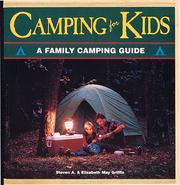
Camping for kids
Steven A. Griffin
Bird watching for kids
Steven A. Griffin
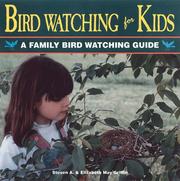
Bird watching for kids
Steven A. Griffin
Hiking for kids
Steven A. Griffin
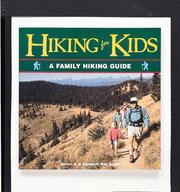
Hiking for kids
Steven A. Griffin
Series Like Outdoors for Kids: What to Read Next
Similar reading level, content intensity and themes.
- Scientists in the Field (Houghton Mifflin) by Sneed B. Collard 6 books · Grades 6–8 · gentle to mild content
- Dog Heroes by Frances E. Ruffin 14 books · Grades 3–6 · gentle to mild content
- Nature's Children (Grolier) by Celia Barker Lottridge 5 books · Grades 5–7 · gentle to intense content
- Capstone High-Interest Books; Learning About Horses by Gail Stewart 4 books · Grades 4–5 · gentle content
- 21st Century Skills Library: Road to Recovery by Susan Heinrichs Gray 7 books · Grades 4–5 · gentle to mild content
- Little Dogs Rock! by Sunita Apte 4 books · Grades 4–5 · gentle content
Questions about the Outdoors for Kids series
- What reading level is the Outdoors for Kids series?
- Outdoors for Kids books are at a grades 5–6 reading level (average grade level 5.8), and HootRated recommends the series for ages 9–12. There are 3 books in the series.
- What order should I read the Outdoors for Kids books?
- Series numbers aren't available for most Outdoors for Kids books, so HootRated lists them by publication date: Camping for kids (1994); Bird watching for kids (1995); Hiking for kids (1996).
- What age is the Outdoors for Kids series appropriate for?
- HootRated recommends Outdoors for Kids for ages 9–12. Content is gentle (HootRated intensity 1/5). Intensity stays consistent across the series, so a reader who can handle the first book can generally handle the rest.