Artists' books Books for Kids
3 books in artists' books. Every book rated for reading level and content intensity.
Artists' books books for kids span a wider readiness range than parents usually expect. The same genre category contains gentle picture books and high-intensity middle-grade novels — Lexile and grade-level scores measure text complexity, not what's actually in the story. A artists' books title appropriate for a confident 8-year-old reader could still cover themes a sensitive 12-year-old isn't ready for.
Across HootRated's 3 artists' books titles, books span Grade 2–3. About 100% are rated Gentle or Mild — safe picks for sensitive readers and kids reading ahead of their emotional readiness. 0% sit at the Intense or Very Intense end. Average content intensity is 1/5.
Use the intensity badges (green → red, low → high) to filter by emotional readiness rather than just age. For deeper detail on how we rate, see our rating methodology.
Capolan
Nick Bantock
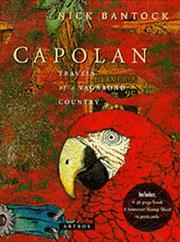
Capolan
Nick Bantock
A Sunday on La Grande Jatte Tunnel Book (Take a Peek series)
Joan Sommers
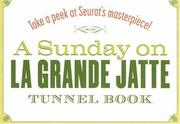
A Sunday on La Grande Jatte Tunnel Book (Take a Peek series)
Joan Sommers
Nina's book of little things!
Haring, Keith.
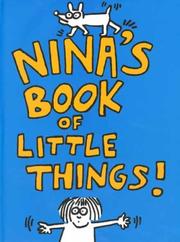
Nina's book of little things!
Haring, Keith.
Questions parents ask about artists' books books
- What are the best artists' books books for kids?
- HootRated catalogs 3 artists' books children's books spanning Grade 2–3. Each is rated on reading level and content intensity. The picks above are sorted by quality signals — hook factor, discussion potential, and content appropriateness.
- Are artists' books books appropriate for sensitive readers?
- 3 books (100%) are rated Gentle or Mild — safe for sensitive readers. 0 (0%) are rated Intense or Very Intense. Average intensity is 1/5. Filter by intensity badge to match your child's emotional readiness.
- What reading level are artists' books books?
- Artists' books books in our catalog span Grade 2–3. The typical reading level lands around Grade 2. Reading level measures text difficulty — separate from content intensity, which measures emotional weight. The two often don't track together for gifted readers — the Gifted Kid Paradox.