
Adolescent psychology Books for Kids
14 books in adolescent psychology. Every book rated for reading level and content intensity.
Adolescent psychology books for kids span a wider readiness range than parents usually expect. The same genre category contains gentle picture books and high-intensity middle-grade novels — Lexile and grade-level scores measure text complexity, not what's actually in the story. A adolescent psychology title appropriate for a confident 8-year-old reader could still cover themes a sensitive 12-year-old isn't ready for.
Across HootRated's 14 adolescent psychology titles, books span Grade 3–7. About 71% are rated Gentle or Mild — safe picks for sensitive readers and kids reading ahead of their emotional readiness. 0% sit at the Intense or Very Intense end. Average content intensity is 2.1/5.
Use the intensity badges (green → red, low → high) to filter by emotional readiness rather than just age. For deeper detail on how we rate, see our rating methodology.
How to get it together when your parents are coming apart
Arlene Kramer Richards
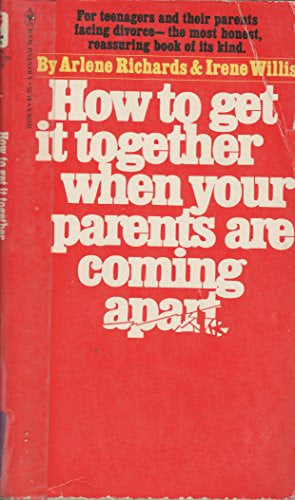
How to get it together when your parents are coming apart
Arlene Kramer Richards
Before I Fall
Lauren Oliver

Before I Fall
Lauren Oliver
Hearing mothers and their deaf children
Delia Wallis

Hearing mothers and their deaf children
Delia Wallis
Betrayal
Scott Wallens
Betrayal
Scott Wallens
Too Old For This, Too Young For That!
Harriet S., Ph.D. Mosatche

Too Old For This, Too Young For That!
Harriet S., Ph.D. Mosatche
Girlwonder
Holly Hartman

Girlwonder
Holly Hartman
Whatever!
Gill Hines
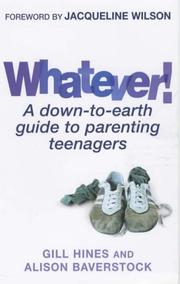
Whatever!
Gill Hines
Flour Babies (Galaxy Children's Large Print)
Anne Fine

Flour Babies (Galaxy Children's Large Print)
Anne Fine
Young People/Tough Problems
Tova Navarra
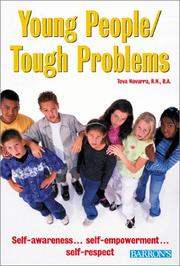
Young People/Tough Problems
Tova Navarra
The road to Evergreen
Rachael Stryker

The road to Evergreen
Rachael Stryker
Child and Adolescent Counseling Case Studies
Brenda Jones

Child and Adolescent Counseling Case Studies
Brenda Jones
Appreciating people-- their likenesses and differences (The Coping with series)
Shirley Pratt Schwarzrock

Appreciating people-- their likenesses and differences (The Coping with series)
Shirley Pratt Schwarzrock
Being a girl
Kim Cattrall
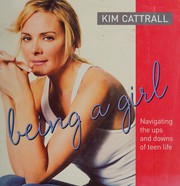
Being a girl
Kim Cattrall
Understand your self
Dale Bick Carlson
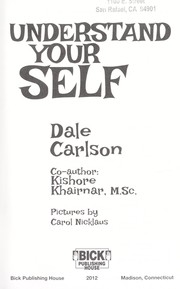
Understand your self
Dale Bick Carlson
Questions parents ask about adolescent psychology books
- What are the best adolescent psychology books for kids?
- HootRated catalogs 14 adolescent psychology children's books spanning Grade 3–7. Each is rated on reading level and content intensity. The picks above are sorted by quality signals — hook factor, discussion potential, and content appropriateness.
- Are adolescent psychology books appropriate for sensitive readers?
- 10 books (71%) are rated Gentle or Mild — safe for sensitive readers. 0 (0%) are rated Intense or Very Intense. Average intensity is 2.1/5. Filter by intensity badge to match your child's emotional readiness.
- What reading level are adolescent psychology books?
- Adolescent psychology books in our catalog span Grade 3–7. The typical reading level lands around Grade 5. Reading level measures text difficulty — separate from content intensity, which measures emotional weight. The two often don't track together for gifted readers — the Gifted Kid Paradox.