
Ways of being male
John Stephens

Ways of being male
Age Rating, Reading Level & Content Guide
Representing Masculinities in Children's Literature
by John Stephens
The text is written at a 6th grade reading level, the subject matter is intended for teens (ages 13+), and the content is mild with minimal sensitive material.
We may earn a commission from these links. Bookshop.org supports independent bookstores with every purchase.
About This Book
The rustle of pages fills the air as stories unfold, revealing the many ways boys and men are imagined across books and films. Feel the pulse of changing ideas about what it means to be male, shaped by history and culture. These stories aren’t just tales—they echo the real questions about identity and belonging.
Themes
Quick Assessment
This nonfiction collection of essays explores how masculinity is portrayed in children’s and young adult literature and film, reflecting contemporary debates about male identity. Suitable for teens aged 13-18, it offers an academic yet accessible examination of gender representation, drawing from diverse critical perspectives including feminism and queer theory. Parents should note it addresses complex social themes with thoughtful analysis rather than narrative storytelling.
Why we rated Ways of being male 11MS
Ways of being male is written at a Level 6 reading level across 261 pages. Strong independent readers around grade 7.0 can typically handle this book on their own; with parent or teacher support, Ways of being male works for readers up to grade 8.0.
We rate Ways of being male as 11MS ("Moderate — Social") because the content sits in the "Mild" range — mild conflict — the kind a child encounters in normal play and sibling life. The strongest signals come from social complexity, thematic difficulty — these are the dimensions parents should evaluate against their reader's tolerance.
No specific content flags were raised by community reviewers, which is consistent with the mild intensity score.
Thematically, Ways of being male explores masculinity in literature, young adult literature, gender studies, cultural criticism, and social identity — these threads give the book room to mean different things to different readers.
Good fit for
- ✓ Children in the Ages 13+ range — the maturity and attention span match the story's pacing.
- ✓ Patient readers who enjoy slower, character-driven stories.
- ✓ Kids drawn to stories about masculinity in literature, young adult literature, gender studies.
- ✓ Curious kids who prefer real-world topics over made-up stories.
Maybe not for
- ! Reluctant readers who need a fast hook — the pacing here rewards patience.
For Parents
Content Intensity
11MS — Moderate — SocialLight conflict or tension. Mild peril resolved quickly.
Was our "Mild" content intensity rating accurate for this book?
Reading Insights
Hook Factor
1/10A steady, thoughtful read that rewards patient readers.
Discussion Potential
1/10A lighter read — great for independent enjoyment.
Book DNA
Multi-dimensional content fingerprint
Similar Books
Based on content and theme analysis
Ways of Being Male
John Stephens

Ways of Being Male
John Stephens
Boys in children's literature and popular culture
Annette Wannamaker

Boys in children's literature and popular culture
Annette Wannamaker
Gender Identities
Tricia Clasen
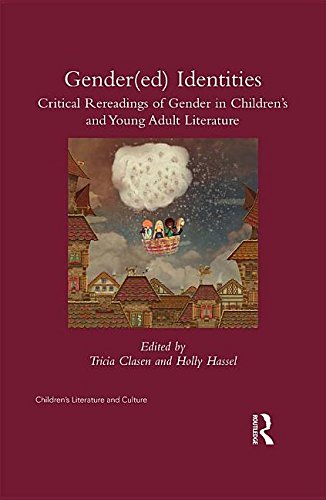
Gender Identities
Tricia Clasen
Male and female roles
Karen Miller

Male and female roles
Karen Miller
The Real Deal
Jeremy Roberts

The Real Deal
Jeremy Roberts
Masculinity in children's animal stories, 1888-1928
Wynn William Yarbrough
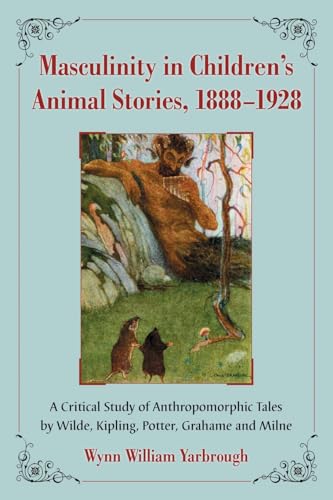
Masculinity in children's animal stories, 1888-1928
Wynn William Yarbrough
Details
Book Length
- ISBN
- 0415938619
- Pages
- 261
- Publisher
- Routledge
- Published
- 2002
- Type
- Nonfiction