
Understanding Juvenile Diabetes
Holly Duhig

Understanding Juvenile Diabetes
Age Rating, Reading Level & Content Guide
by Holly Duhig
The text is written at a 2nd grade reading level, the subject matter is intended for younger children (ages 5–8), and the content is gentle with no concerning themes.
We may earn a commission from these links. Bookshop.org supports independent bookstores with every purchase.
About This Book
A beep sounds as the monitor checks blood sugar levels—what will it show today? Feel the quick pinch of the finger prick and the rush of sweet juice afterward. But managing diabetes is just the start of the story...
Themes
Quick Assessment
This early reader book provides a clear and gentle introduction to type 1 diabetes, explaining its effects, symptoms, and treatments with helpful photographs and fact boxes. Geared toward children ages 5 to 8, it supports young readers who have diabetes or know someone who does. The content is straightforward and age-appropriate, focusing on education without overwhelming detail.
Why we rated Understanding Juvenile Diabetes 7LP
Understanding Juvenile Diabetes is written at a Level 2 reading level across 34 pages. Strong independent readers around grade 3.0 can typically handle this book on their own; with parent or teacher support, Understanding Juvenile Diabetes works for readers up to grade 4.0.
We rate Understanding Juvenile Diabetes as 7LP ("Light — Physical") because the content sits in the "Gentle" range — no conflict beyond everyday childhood experiences. Across our four dimensions (emotional, physical, social, thematic) the book reads as evenly gentle; no single dimension stands out as a concern.
No specific content flags were raised by community reviewers, which is consistent with the gentle intensity score.
Thematically, Understanding Juvenile Diabetes explores health & illness, education, and family — these threads give the book room to mean different things to different readers.
Good fit for
- ✓ Children in the Ages 5-8 range — the maturity and attention span match the story's pacing.
- ✓ Patient readers who enjoy slower, character-driven stories.
- ✓ Kids drawn to stories about health & illness, education, family.
Maybe not for
- ! Reluctant readers who need a fast hook — the pacing here rewards patience.
For Parents
Content Intensity
7LP — Light — PhysicalNo conflict beyond everyday childhood experiences. Safe for sensitive readers.
Was our "Gentle" content intensity rating accurate for this book?
Reading Insights
Hook Factor
1/10A steady, thoughtful read that rewards patient readers.
Discussion Potential
1/10A lighter read — great for independent enjoyment.
Book DNA
Multi-dimensional content fingerprint
Similar Books
Based on content and theme analysis
Diabetes in Childhood and Adolescence
Francesco Chiarelli, Knut Dahl-Jørgensen, Wieland Kiess
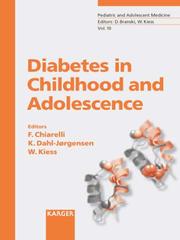
Diabetes in Childhood and Adolescence
Francesco Chiarelli, Knut Dahl-Jørgensen, Wieland Kiess
An introduction to diabetes for the young child.
Mary Pinckney Ferguson

An introduction to diabetes for the young child.
Mary Pinckney Ferguson
Diabetes
Katherine J. Moran
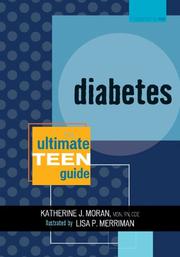
Diabetes
Katherine J. Moran
Caring for Young Children Living With Diabetes
Lori M. B. Laffel
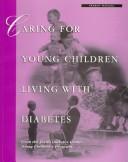
Caring for Young Children Living With Diabetes
Lori M. B. Laffel
Diabetes care for babies, toddlers, and preschoolers
Jean Betschart-Roemer

Diabetes care for babies, toddlers, and preschoolers
Jean Betschart-Roemer
Coping with Diabetes
Pat Kelly

Coping with Diabetes
Pat Kelly
Details
Book Length
- ISBN
- 9781538338612
- Pages
- 34
- Publisher
- The Rosen Publishing Group, Inc
- Published
- 2018
- Type
- Fiction