
To Be a Slave (Point)
Julius Lester
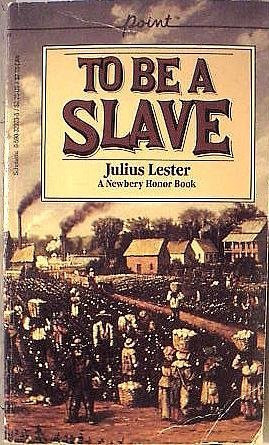
To Be a Slave (Point)
Age Rating, Reading Level & Content Guide
by Julius Lester
The text is written at a 4th grade reading level, the subject matter is intended for teens (ages 13+), and the content is intense and may include graphic or distressing scenes.
We may earn a commission from these links. Bookshop.org supports independent bookstores with every purchase.
About This Book
This book reveals stories of bravery and hardship that history often hides. Slaves faced unimaginable challenges but held onto hope and dreams of freedom. These powerful voices show why their stories still matter today.
Themes
Quick Assessment
This book offers a compelling, age-appropriate account of slavery through firsthand narratives from slaves and former slaves. It provides historical context with illustrations, helping teens understand the harsh realities and resilience of those who endured slavery. Suitable for ages 13-18, it handles difficult topics with care but contains mature themes related to oppression and injustice.
Why we rated To Be a Slave (Point) 9IE
To Be a Slave (Point) is written at a Level 4-5 reading level across 160 pages. Strong independent readers around grade 5.5 can typically handle this book on their own; with parent or teacher support, To Be a Slave (Point) works for readers up to grade 6.5.
We rate To Be a Slave (Point) as 9IE ("Intense — Emotional") because the content sits in the "Intense" range — intense conflict including peril, frightening scenes, or emotionally heavy themes. The strongest signals come from emotional weight, physical peril, social complexity, thematic difficulty — these are the dimensions parents should evaluate against their reader's tolerance.
Specific content flags noted by reviewers: Slavery, Harsh Historical Realities.
Thematically, To Be a Slave (Point) explores historical, social justice, coming of age, and united states — these threads give the book room to mean different things to different readers.
Good fit for
- ✓ Children in the Ages 13+ range — the maturity and attention span match the story's pacing.
- ✓ Patient readers who enjoy slower, character-driven stories.
- ✓ Readers ready to talk through themes after they finish — there's enough substance for a meaningful conversation.
- ✓ Kids drawn to stories about historical, social justice, coming of age.
- ✓ Curious kids who prefer real-world topics over made-up stories.
Maybe not for
- ! Sensitive readers who get overwhelmed by intense conflict or scary scenes.
- ! Children younger than 13+ — the content intensity is above what most younger kids can process comfortably.
- ! Reluctant readers who need a fast hook — the pacing here rewards patience.
For Parents
Content Intensity
9IE — Intense — EmotionalHeavy themes explored in depth. War, death, abuse addressed directly.
Content Flags
Was our "Intense" content intensity rating accurate for this book?
Reading Insights
Hook Factor
1/10A steady, thoughtful read that rewards patient readers.
Discussion Potential
4/10Good conversation starter with themes worth exploring together.
Book DNA
Multi-dimensional content fingerprint
Similar Books
Based on content and theme analysis
Slave GA
Lathan A. Windley

Slave GA
Lathan A. Windley
This strange new feeling
Julius Lester

This strange new feeling
Julius Lester
Slavery
James Meadows

Slavery
James Meadows
Slavery
William Dudley

Slavery
William Dudley
Slavery
Thomas Streissguth

Slavery
Thomas Streissguth
Slavery
R. G. Grant

Slavery
R. G. Grant
Details
Book Length
- ISBN
- 9780590329231
- Pages
- 160
- Publisher
- Scholastic Paperbacks
- Published
- June 1985
- Type
- Nonfiction