
The talking room
Marianne Hauser

The talking room
Age Rating, Reading Level & Content Guide
A Novel
by Marianne Hauser
The text is written at a 4th grade reading level, the subject matter is intended for middle graders (ages 9–12), and the content is intense and may include graphic or distressing scenes.
We may earn a commission from these links. Bookshop.org supports independent bookstores with every purchase.
About This Book
What happens when a thirteen-year-old imagines a world on the edge of change? In a place called the Talking Room, a special family faces big feelings and wild adventures. But can they find each other when everything feels so uncertain?
Themes
Quick Assessment
This novel explores complex themes through the eyes of a pregnant thirteen-year-old navigating family struggles and identity in a challenging world. It includes mature content such as LGBTQ+ relationships and emotional conflicts, making it more suitable for older middle-grade readers. Parents should be aware of the book's exploration of adult issues and nuanced family dynamics.
Why we rated The talking room 9IN
The talking room is written at a Level 4-5 reading level across 158 pages. Strong independent readers around grade 5.5 can typically handle this book on their own; with parent or teacher support, The talking room works for readers up to grade 6.5.
We rate The talking room as 9IN ("Intense — Neutral") because the content sits in the "Intense" range — intense conflict including peril, frightening scenes, or emotionally heavy themes. The strongest signals come from emotional weight, physical peril, social complexity, thematic difficulty — these are the dimensions parents should evaluate against their reader's tolerance.
Specific content flags noted by reviewers: Emotional: Identity & Self-Discovery, Emotional: Family Change, Social: LGBTQ+ Representation.
Thematically, The talking room explores family, identity & self-discovery, lgbtq+ representation, emotional conflict, and humor — these threads give the book room to mean different things to different readers.
Good fit for
- ✓ Children in the Ages 9-12 range — the maturity and attention span match the story's pacing.
- ✓ Patient readers who enjoy slower, character-driven stories.
- ✓ Kids drawn to stories about family, identity & self-discovery, lgbtq+ representation.
Maybe not for
- ! Sensitive readers who get overwhelmed by intense conflict or scary scenes.
- ! Children younger than 9-12 — the content intensity is above what most younger kids can process comfortably.
- ! Reluctant readers who need a fast hook — the pacing here rewards patience.
For Parents
Content Intensity
9IN — Intense — NeutralHeavy themes explored in depth. War, death, abuse addressed directly.
Content Flags
Was our "Intense" content intensity rating accurate for this book?
Reading Insights
Hook Factor
2/10A steady, thoughtful read that rewards patient readers.
Discussion Potential
2/10A lighter read — great for independent enjoyment.
Book DNA
Multi-dimensional content fingerprint
Similar Books
Based on content and theme analysis
The unlikely hero of room 13 B
Teresa Toten

The unlikely hero of room 13 B
Teresa Toten
Teens Talk about Family Issues
Jennifer Landau

Teens Talk about Family Issues
Jennifer Landau
Talk to me
Carol Dines

Talk to me
Carol Dines
Let's Talk
Rhea Paul
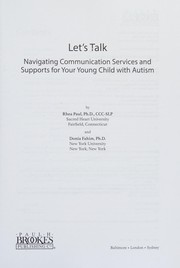
Let's Talk
Rhea Paul
Talking Is Not My Thing
Rose Robbins

Talking Is Not My Thing
Rose Robbins
Learning to talk
Hilary Mantel
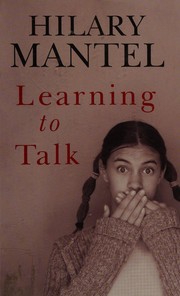
Learning to talk
Hilary Mantel
Details
Book Length
- ISBN
- 0914590200
- Pages
- 158
- Publisher
- University of Alabama Press
- Published
- 1976
- Type
- Fiction