
Reviewed by HootRated editorial · Last updated
The Story of Buildings
Patrick Dillon

The Story of Buildings
Age Rating, Reading Level & Content Guide
From the Pyramids to the Sydney Opera House and Beyond
by Patrick Dillon
The text is written at a 3rd grade reading level, the subject matter is intended for younger children (ages 5–8), and the content is gentle with no concerning themes. Its HootRating code, C, means gentle content.
We may earn a commission from these links. Bookshop.org supports independent bookstores with every purchase.
About This Book
Hear the crunch of gravel under your feet as you step into a towering pyramid or the smooth, cool marble of a grand palace. Feel the stories hidden in every brick and beam, from ancient pharaohs’ tombs to futuristic glass towers. Buildings aren’t just places—they’re adventures carved in stone and steel, each with secrets waiting for you to discover.
Themes
Quick Assessment
This beautifully illustrated nonfiction book introduces young readers to the history and artistry of buildings around the world. Suitable for ages 5-8, it explores architectural innovations and cultural significance through engaging narratives and detailed visuals, fostering curiosity about human creativity and history. The content is age-appropriate with no intense or sensitive themes.
Why we rated The Story of Buildings C (Gentle)
The Story of Buildings is written at a Level 3 reading level across 96 pages. Reading-wise, most kids in grade 4 and up can manage The Story of Buildings on their own; younger readers can enjoy it with a parent or teacher reading along.
We rate The Story of Buildings as C (Gentle) because the content sits in the "Gentle" range — no conflict beyond everyday childhood experiences. Across our four dimensions (emotional, physical, social, thematic) the book reads as evenly gentle; no single dimension stands out as a concern.
No specific content flags were raised by community reviewers, which is consistent with the gentle intensity score.
Thematically, The Story of Buildings explores juvenile nonfiction, architecture, history, art, and monuments — these threads give the book room to mean different things to different readers.
Good fit for
- ✓ Children in the Ages 5-8 range — the maturity and attention span match the story's pacing.
- ✓ Kids drawn to stories about juvenile nonfiction, architecture, history.
- ✓ Readers (and parents) who care about award-recognized writing — The Story of Buildings carries an award.
- ✓ Curious kids who prefer real-world topics over made-up stories.
Maybe not for
- ! Readers looking for something heavier — this is a gentle, low-stakes story by design.
For Parents
Content Intensity
C · GentleReading the HootRating code: the first letter is the content intensity (C = Gentle · L = Mild · M = Moderate · I = Intense · V = Very Intense); the second, when there is one, is the kind of content that drives it (E = Emotional · P = Physical · S = Social · T = Thematic). Reading level and age range are rated separately. How we rate
No conflict beyond everyday childhood experiences. Safe for sensitive readers.
Was our "Gentle" content intensity rating accurate for this book?
Reading Insights
Discussion Potential
1/10A lighter read — great for independent enjoyment.
Book DNA
Multi-dimensional content fingerprint
If your child liked this book, they might like these
Matched on content and themes — all rated for reading level and content intensity.
The Louvre
Nicole K. Orr

The Louvre
Nicole K. Orr
Knights and Castles
Will Osborne
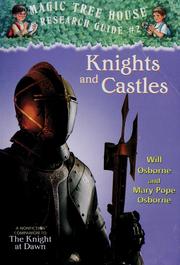
Knights and Castles
Will Osborne
The Space Needle
Tamra B Orr

The Space Needle
Tamra B Orr
The Tallest Buildings (Megastructures)
Susan K. Mitchell
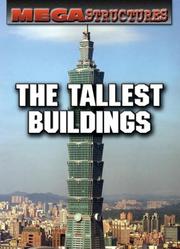
The Tallest Buildings (Megastructures)
Susan K. Mitchell
The Washington Monument (National Landmarks)
Muriel L. Dubois

The Washington Monument (National Landmarks)
Muriel L. Dubois
Exploring King Tut's Tomb
Capstone
Exploring King Tut's Tomb
Capstone
Fallingwater
Tamra B. Orr

Fallingwater
Tamra B. Orr
Planning to Build with an Architect
Joan Stoltman
Planning to Build with an Architect
Joan Stoltman
Details
Book Length
- ISBN
- 9780763669904
- Pages
- 96
- Publisher
- National Geographic Books
- Published
- 2014
- Type
- Nonfiction