
The science of breakable things
Tae Keller

The science of breakable things
Age Rating, Reading Level & Content Guide
by Tae Keller
The text is written at a 6th grade reading level, the subject matter is intended for middle graders (ages 9–12), and the content has moderate intensity with some emotionally heavy themes.
We may earn a commission from these links. Bookshop.org supports independent bookstores with every purchase.
About This Book
The crunch of eggshells echoes in the classroom as Natalie gets ready for the big egg drop challenge. The smell of fresh notebook pages mixes with the hope fluttering in her heart. Can a simple science project help her bring sunshine back to her mom’s world?
Themes
Quick Assessment
This middle-grade novel follows Natalie, a young girl determined to help her mother cope with depression by winning an egg drop contest with her friends. The story explores themes of mental health, family challenges, and resilience through a heartwarming blend of science and friendship. Suitable for ages 9-12, it handles emotional topics with sensitivity and hope.
Why we rated The science of breakable things 11ME
The science of breakable things is written at a Level 6 reading level across 297 pages. Strong independent readers around grade 7.0 can typically handle this book on their own; with parent or teacher support, The science of breakable things works for readers up to grade 8.0.
We rate The science of breakable things as 11ME ("Moderate — Emotional") because the content sits in the "Moderate" range — moderate conflict that may involve loss, scary scenes, or interpersonal stakes. The strongest signals come from emotional weight — these are the dimensions parents should evaluate against their reader's tolerance.
No specific content flags were raised by community reviewers, which is consistent with the moderate intensity score.
Thematically, The science of breakable things explores friendship, family, mental health, science, and coming of age — these threads give the book room to mean different things to different readers.
Good fit for
- ✓ Children in the Ages 9-12 range — the maturity and attention span match the story's pacing.
- ✓ Patient readers who enjoy slower, character-driven stories.
- ✓ Readers ready to talk through themes after they finish — there's enough substance for a meaningful conversation.
- ✓ Kids drawn to stories about friendship, family, mental health.
Maybe not for
- ! Readers who get easily upset by emotional or moderately dark scenes — the conflict here is real, not just background flavor.
- ! Reluctant readers who need a fast hook — the pacing here rewards patience.
For Parents
Content Intensity
11ME — Moderate — EmotionalReal stakes and emotional weight. May include sustained danger, loss, or bullying.
Was our "Moderate" content intensity rating accurate for this book?
Reading Insights
Hook Factor
1/10A steady, thoughtful read that rewards patient readers.
Discussion Potential
4/10Good conversation starter with themes worth exploring together.
Book DNA
Multi-dimensional content fingerprint
Similar Books
Based on content and theme analysis
The friendship experiment
Erin Teagan
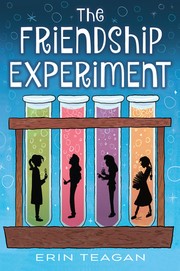
The friendship experiment
Erin Teagan
The book of potentially catastrophic science
Connolly, Sean

The book of potentially catastrophic science
Connolly, Sean
Breaking
Rollins, Danielle (Author)

Breaking
Rollins, Danielle (Author)
Break
Chris Mandeville
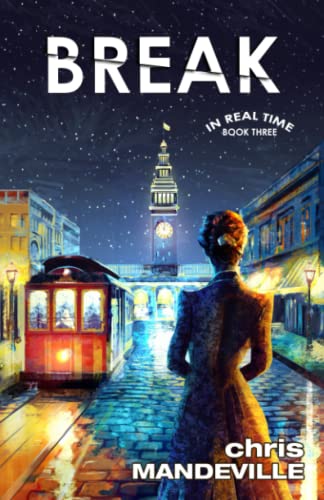
Break
Chris Mandeville
Broken
C. J. Lyons

Broken
C. J. Lyons
The science unfair
Nate Ball

The science unfair
Nate Ball
Details
Book Length
- ISBN
- 9781524715663
- Pages
- 297
- Publisher
- Random House Books for Young Readers
- Published
- 2018
- Type
- Fiction