The Ethics of Human Cloning
William Dudley

The Ethics of Human Cloning
Age Rating, Reading Level & Content Guide
by William Dudley
The text is written at a 3rd grade reading level, the subject matter is intended for teens (ages 13+), and the content is mild with minimal sensitive material.
We may earn a commission from these links. Bookshop.org supports independent bookstores with every purchase.
About This Book
The soft hum of machines fills the sterile lab as scientists watch a tiny embryo grow under the bright lights. Imagine a world where humans could be copied like sheep or pigs. What choices will we make when the line between science and nature begins to blur?
Themes
Quick Assessment
This young adult fiction novel explores the complex ethical questions surrounding human cloning, inspired by advances in animal cloning. Suitable for ages 13-18, it introduces readers to biological science concepts while encouraging thoughtful consideration of moral and social implications. Parents should note the book handles challenging topics in a thoughtful and accessible manner.
Why we rated The Ethics of Human Cloning 8MS
The Ethics of Human Cloning is written at a Level 3 reading level across 77 pages. Strong independent readers around grade 4.0 can typically handle this book on their own; with parent or teacher support, The Ethics of Human Cloning works for readers up to grade 5.0.
We rate The Ethics of Human Cloning as 8MS ("Moderate — Social") because the content sits in the "Mild" range — mild conflict — the kind a child encounters in normal play and sibling life. The strongest signals come from social complexity, thematic difficulty — these are the dimensions parents should evaluate against their reader's tolerance.
No specific content flags were raised by community reviewers, which is consistent with the mild intensity score.
Thematically, The Ethics of Human Cloning explores biology, ethical issues, social problems, medical / nursing, and juvenile nonfiction — these threads give the book room to mean different things to different readers.
Good fit for
- ✓ Children in the Ages 13+ range — the maturity and attention span match the story's pacing.
- ✓ Patient readers who enjoy slower, character-driven stories.
- ✓ Kids drawn to stories about biology, ethical issues, social problems.
- ✓ Curious kids who prefer real-world topics over made-up stories.
Maybe not for
- ! Reluctant readers who need a fast hook — the pacing here rewards patience.
For Parents
Content Intensity
8MS — Moderate — SocialLight conflict or tension. Mild peril resolved quickly.
Was our "Mild" content intensity rating accurate for this book?
Reading Insights
Hook Factor
1/10A steady, thoughtful read that rewards patient readers.
Discussion Potential
1/10A lighter read — great for independent enjoyment.
Book DNA
Multi-dimensional content fingerprint
Similar Books
Based on content and theme analysis
Cloning
David Jefferis
Cloning
David Jefferis
Human Cloning
Kristi Lew

Human Cloning
Kristi Lew
Cloning
Paul A. Winters
Cloning
Paul A. Winters
Cloning
Jacqueline Langwith

Cloning
Jacqueline Langwith
Biomedical ethics
Roman Espejo
Biomedical ethics
Roman Espejo
Stem Cell Research and Cloning (Point/Counterpoint)
Alan Marzilli
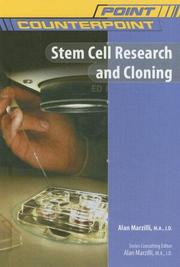
Stem Cell Research and Cloning (Point/Counterpoint)
Alan Marzilli
Details
Book Length
- ISBN
- 9780737704723
- Pages
- 77
- Publisher
- Greenhaven Press, Incorporated
- Published
- September 18, 2000
- Type
- Nonfiction