
Techniques of Problem Solving Level 3
Greenes
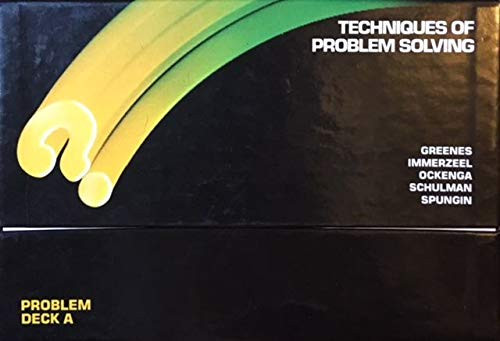
Techniques of Problem Solving Level 3
Age Rating, Reading Level & Content Guide
Deck A
by Greenes
The text is written at a 4th grade reading level, the subject matter is intended for middle graders (ages 9–12), and the content is gentle with no concerning themes.
We may earn a commission from these links. Bookshop.org supports independent bookstores with every purchase.
About This Book
Have you ever wondered how to crack tricky math problems like a pro? Imagine having 200 special cards that guide you through puzzles and challenges, helping you think like a real problem solver. What secrets will you discover hidden in these math challenges?
Themes
Quick Assessment
Techniques of Problem Solving Level 3 offers students aged 9-12 a hands-on approach to improving mathematical problem-solving skills through 200 practice cards and a teacher's guide. This resource supports grade 4.5 reading levels and focuses on general math concepts appropriate for middle-grade learners. It encourages critical thinking without presenting any content concerns.
Why we rated Techniques of Problem Solving Level 3 9C
Techniques of Problem Solving Level 3 is written at a Level 4-5 reading level across 116 pages. Strong independent readers around grade 5.5 can typically handle this book on their own; with parent or teacher support, Techniques of Problem Solving Level 3 works for readers up to grade 6.5.
We rate Techniques of Problem Solving Level 3 as 9C ("Clear") because the content sits in the "Gentle" range — no conflict beyond everyday childhood experiences. Across our four dimensions (emotional, physical, social, thematic) the book reads as evenly gentle; no single dimension stands out as a concern.
No specific content flags were raised by community reviewers, which is consistent with the gentle intensity score.
Thematically, Techniques of Problem Solving Level 3 explores mathematics - general, juvenile nonfiction, and education — these threads give the book room to mean different things to different readers.
Good fit for
- ✓ Children in the Ages 9-12 range — the maturity and attention span match the story's pacing.
- ✓ Patient readers who enjoy slower, character-driven stories.
- ✓ Kids drawn to stories about mathematics - general, juvenile nonfiction, education.
- ✓ Curious kids who prefer real-world topics over made-up stories.
Maybe not for
- ! Readers whose emotional readiness lags behind their decoding skills — this book's intensity outruns its reading level, a classic "gifted kid" mismatch.
- ! Reluctant readers who need a fast hook — the pacing here rewards patience.
For Parents
Content Intensity
9C — ClearNo conflict beyond everyday childhood experiences. Safe for sensitive readers.
Was our "Gentle" content intensity rating accurate for this book?
Reading Insights
Hook Factor
1/10A steady, thoughtful read that rewards patient readers.
Discussion Potential
1/10A lighter read — great for independent enjoyment.
Book DNA
Multi-dimensional content fingerprint
Similar Books
Based on content and theme analysis
Problem Solving 2 (Mathematics Workshop)
Globe

Problem Solving 2 (Mathematics Workshop)
Globe
Problem Solving 1
Globe

Problem Solving 1
Globe
Problem Solving 2 (Mathematics Workshop)
Pearson Education
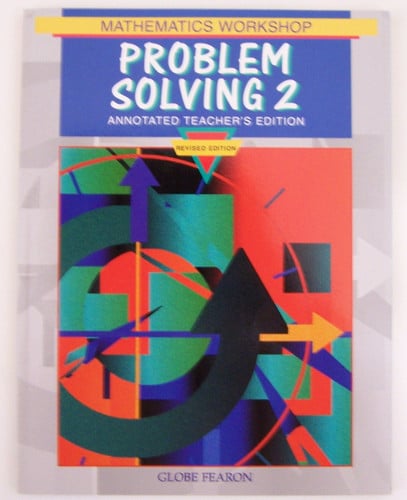
Problem Solving 2 (Mathematics Workshop)
Pearson Education
Brain Power Enrichment : Level One Book Two-Student Version Grades 4-6
Reuven Rashkovsky
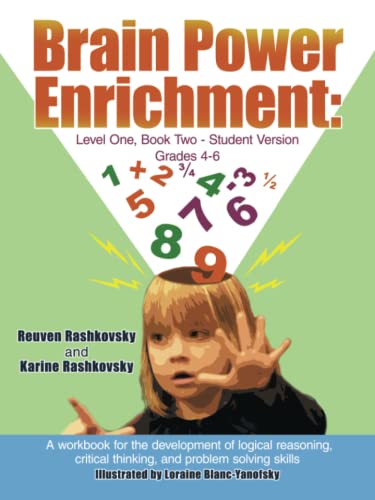
Brain Power Enrichment : Level One Book Two-Student Version Grades 4-6
Reuven Rashkovsky
The Art of Problem Solving Vol. 2
Sandor Lehoczky

The Art of Problem Solving Vol. 2
Sandor Lehoczky
Problem Solving 1
Globe

Problem Solving 1
Globe
Details
Book Length
- ISBN
- 9780866510455
- Pages
- 116
- Publisher
- Everyday Learning Corporation
- Published
- January 1980
- Type
- Nonfiction