
Schools of hope
Norman H. Finkelstein

Schools of hope
Age Rating, Reading Level & Content Guide
by Norman H. Finkelstein
The text is written at a 7th grade reading level, the subject matter is intended for middle graders (ages 9–12), and the content is mild with minimal sensitive material.
We may earn a commission from these links. Bookshop.org supports independent bookstores with every purchase.
About This Book
In the early 1900s, two determined men joined forces to transform education for African American children in the segregated South. Their efforts led to the creation of thousands of schools, offering hope and opportunity to hundreds of thousands of students. This story celebrates the power of teamwork and the lasting impact of dedication to change.
Themes
Quick Assessment
This is a Level 7-8 book with mild content intensity. Content themes include racial discrimination. Written for readers ages 9-12.
Why we rated Schools of hope 12LS
Schools of hope is written at a Level 7-8 reading level across 80 pages (approximately 11,759 words). Strong independent readers around grade 8.9 can typically handle this book on their own; with parent or teacher support, Schools of hope works for readers up to grade 9.9.
Read aloud, Schools of hope runs about 1.3 hours — long enough to span several bedtime sessions.
We rate Schools of hope as 12LS ("Light — Social") because the content sits in the "Mild" range — mild conflict — the kind a child encounters in normal play and sibling life. Across our four dimensions (emotional, physical, social, thematic) the book reads as evenly mild; no single dimension stands out as a concern.
Specific content flags noted by reviewers: Racial Discrimination.
Thematically, Schools of hope explores education, african americans, history, and social justice — these threads give the book room to mean different things to different readers.
Good fit for
- ✓ Children in the Ages 9-12 range — the maturity and attention span match the story's pacing.
- ✓ Readers ready to talk through themes after they finish — there's enough substance for a meaningful conversation.
- ✓ Kids drawn to stories about education, african americans, history.
- ✓ Curious kids who prefer real-world topics over made-up stories.
Maybe not for
- ! Readers whose emotional readiness lags behind their decoding skills — this book's intensity outruns its reading level, a classic "gifted kid" mismatch.
For Parents
Content Intensity
12LS — Light — SocialLight conflict or tension. Mild peril resolved quickly.
Content Flags
Was our "Mild" content intensity rating accurate for this book?
Reading Insights
Hook Factor
4/10A steady, thoughtful read that rewards patient readers.
Discussion Potential
4/10Good conversation starter with themes worth exploring together.
Book DNA
Multi-dimensional content fingerprint
Similar Books
Based on content and theme analysis
Hope and healing in urban education
Shawn A. Ginwright

Hope and healing in urban education
Shawn A. Ginwright
Days of Courage
Richard Kelso
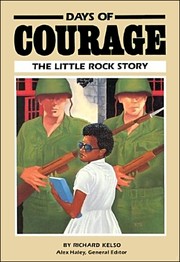
Days of Courage
Richard Kelso
Hope for the future
California Department of Education Staff

Hope for the future
California Department of Education Staff
High-poverty, high-performing schools
Ovid K. Wong
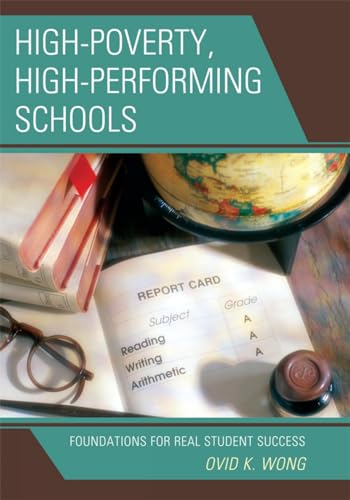
High-poverty, high-performing schools
Ovid K. Wong
Separate, but not equal
James Haskins

Separate, but not equal
James Haskins
Schools for marginalized youth
William T. Pink
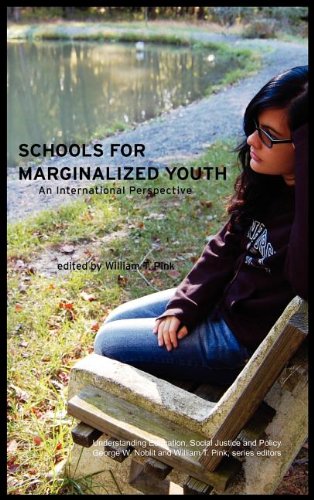
Schools for marginalized youth
William T. Pink
Details
Book Length
- ISBN
- 9781590788417
- Pages
- 80
- Publisher
- Astra Publishing House
- Published
- 2014
- Type
- Nonfiction
- Word Count
- 11,759
- Read-Aloud
- ~1h 18m
- Text Density
- Light Text