School Meal Programs
Lauren Quincey

School Meal Programs
Age Rating, Reading Level & Content Guide
Eligibility and Geographic Adjustment Issues
by Lauren Quincey
The text is written at a 4th grade reading level, the subject matter is intended for middle graders (ages 9–12), and the content is mild with minimal sensitive material.
We may earn a commission from these links. Bookshop.org supports independent bookstores with every purchase.
About This Book
The smell of warm pizza and fresh fruit fills the cafeteria as kids line up for lunch. But what if some kids who aren’t supposed to get free meals sneak in anyway? Discover the hidden challenges behind school lunches and why keeping things fair matters to everyone.
Themes
Quick Assessment
This book explores the National School Lunch Program, focusing on how millions of children receive meals at school and the challenges of preventing ineligible participation. It is appropriate for middle-grade readers and introduces themes such as food access and welfare fraud in a factual, age-appropriate way. Parents should note the book discusses government oversight and financial accountability but does not include graphic content.
Why we rated School Meal Programs 9MS
School Meal Programs is written at a Level 4-5 reading level across 102 pages. Strong independent readers around grade 5.5 can typically handle this book on their own; with parent or teacher support, School Meal Programs works for readers up to grade 6.5.
We rate School Meal Programs as 9MS ("Moderate — Social") because the content sits in the "Mild" range — mild conflict — the kind a child encounters in normal play and sibling life. The strongest signals come from social complexity — these are the dimensions parents should evaluate against their reader's tolerance.
No specific content flags were raised by community reviewers, which is consistent with the mild intensity score.
Thematically, School Meal Programs explores school children, food, welfare fraud, and social justice — these threads give the book room to mean different things to different readers.
Good fit for
- ✓ Children in the Ages 9-12 range — the maturity and attention span match the story's pacing.
- ✓ Patient readers who enjoy slower, character-driven stories.
- ✓ Kids drawn to stories about school children, food, welfare fraud.
- ✓ Curious kids who prefer real-world topics over made-up stories.
Maybe not for
- ! Reluctant readers who need a fast hook — the pacing here rewards patience.
For Parents
Content Intensity
9MS — Moderate — SocialLight conflict or tension. Mild peril resolved quickly.
Was our "Mild" content intensity rating accurate for this book?
Reading Insights
Hook Factor
1/10A steady, thoughtful read that rewards patient readers.
Discussion Potential
2/10A lighter read — great for independent enjoyment.
Book DNA
Multi-dimensional content fingerprint
Similar Books
Based on content and theme analysis
School breakfast and school lunch programs
United States. Congress. Senate. Committee on Agriculture, Nutrition, and Forestry

School breakfast and school lunch programs
United States. Congress. Senate. Committee on Agriculture, Nutrition, and Forestry
Child Nutrition and School Meals Programs
Lorene Romero
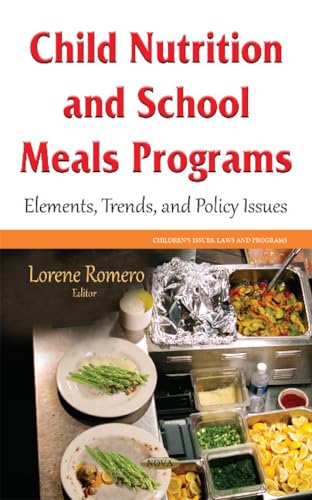
Child Nutrition and School Meals Programs
Lorene Romero
Should School Lunches Be Free?
David Anthony
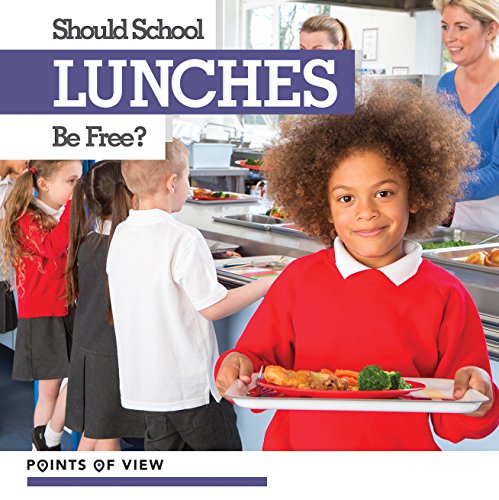
Should School Lunches Be Free?
David Anthony
Free for All
Janet Poppendieck
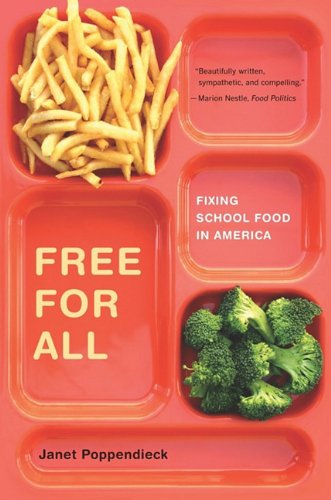
Free for All
Janet Poppendieck
School nutrition and children
Thomas J. Baxter

School nutrition and children
Thomas J. Baxter
Universality, selectivity, and effectiveness in social policy
Davies, Bleddyn.

Universality, selectivity, and effectiveness in social policy
Davies, Bleddyn.
Details
Book Length
- ISBN
- 9781634631815
- Pages
- 102
- Publisher
- Nova Science Publishers
- Published
- 2014
- Type
- Nonfiction