
Managing Passive-Agressive Behavior of Children and Youth at School and Home
Nicholas James Long

Managing Passive-Agressive Behavior of Children and Youth at School and Home
Age Rating, Reading Level & Content Guide
The Angry Smile
by Nicholas James Long
The text is written at a 3rd grade reading level, the subject matter is intended for younger children (ages 5–8), and the content is gentle with no concerning themes.
We may earn a commission from these links. Bookshop.org supports independent bookstores with every purchase.
About This Book
Here's a secret: sometimes kids don’t say what they really feel and use tricky ways to show their anger instead. Imagine forgetting your homework on purpose or pretending not to hear a teacher—there’s more behind these actions than you think, but that’s only the beginning.
Themes
Quick Assessment
This book offers practical guidance for parents and educators on understanding and managing passive-aggressive behaviors in children and youth. It explains how such behaviors develop and provides strategies to break the cycle of frustration and conflict. Suitable for adults working with children aged 5-8, the content is informative and tailored for early readers, with no graphic or sensitive material.
Why we rated Managing Passive-Agressive Behavior of Children and Youth at School and Home 8LE
Managing Passive-Agressive Behavior of Children and Youth at School and Home is written at a Level 3 reading level across 87 pages. Strong independent readers around grade 4.0 can typically handle this book on their own; with parent or teacher support, Managing Passive-Agressive Behavior of Children and Youth at School and Home works for readers up to grade 5.0.
We rate Managing Passive-Agressive Behavior of Children and Youth at School and Home as 8LE ("Light — Emotional") because the content sits in the "Gentle" range — no conflict beyond everyday childhood experiences. Across our four dimensions (emotional, physical, social, thematic) the book reads as evenly gentle; no single dimension stands out as a concern.
No specific content flags were raised by community reviewers, which is consistent with the gentle intensity score.
Thematically, Managing Passive-Agressive Behavior of Children and Youth at School and Home explores education, oppositional defiant disorder, family, and behavioral management — these threads give the book room to mean different things to different readers.
Good fit for
- ✓ Children in the Ages 5-8 range — the maturity and attention span match the story's pacing.
- ✓ Patient readers who enjoy slower, character-driven stories.
- ✓ Kids drawn to stories about education, oppositional defiant disorder, family.
- ✓ Curious kids who prefer real-world topics over made-up stories.
Maybe not for
- ! Reluctant readers who need a fast hook — the pacing here rewards patience.
For Parents
Content Intensity
8LE — Light — EmotionalNo conflict beyond everyday childhood experiences. Safe for sensitive readers.
Was our "Gentle" content intensity rating accurate for this book?
Reading Insights
Hook Factor
1/10A steady, thoughtful read that rewards patient readers.
Discussion Potential
1/10A lighter read — great for independent enjoyment.
Book DNA
Multi-dimensional content fingerprint
Similar Books
Based on content and theme analysis
Managing challenging behaviour in the classroom
Gary Lavan
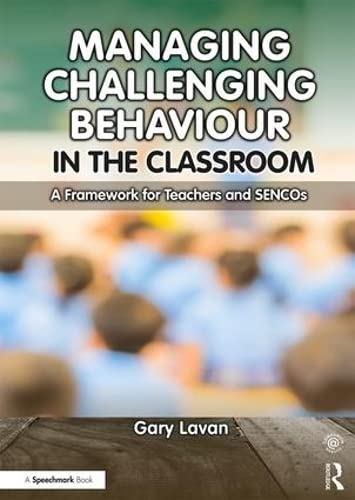
Managing challenging behaviour in the classroom
Gary Lavan
Managing noncompliance and defiance in the classroom
Geoffrey Colvin

Managing noncompliance and defiance in the classroom
Geoffrey Colvin
Problem behavior management
Robert Algozzine

Problem behavior management
Robert Algozzine
Oppositional Defiant Disorder and Conduct Disorder in Children
Walter Matthys
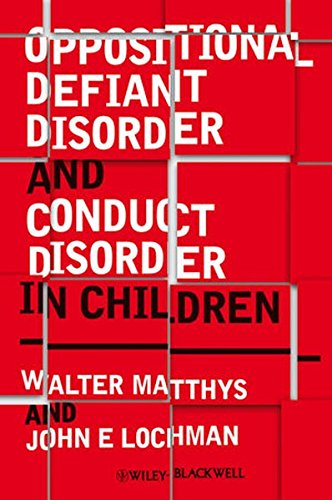
Oppositional Defiant Disorder and Conduct Disorder in Children
Walter Matthys
Antisocial behavior in children and adolescents
John B. Reid, Gerald R. Patterson, James J. Snyder
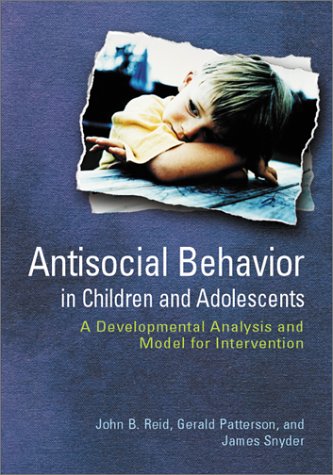
Antisocial behavior in children and adolescents
John B. Reid, Gerald R. Patterson, James J. Snyder
Parenting Your Defiant Child
Alan E. Kazdin

Parenting Your Defiant Child
Alan E. Kazdin
Details
Book Length
- ISBN
- 9780890798737
- Pages
- 87
- Publisher
- Pro ed
- Published
- October 2001
- Type
- Nonfiction