I Would Be Loved
Linda J. Falkner

I Would Be Loved
Age Rating, Reading Level & Content Guide
by Linda J. Falkner
The text is written at a 6th grade reading level, the subject matter is intended for middle graders (ages 9–12), and the content is intense and may include graphic or distressing scenes.
We may earn a commission from these links. Bookshop.org supports independent bookstores with every purchase.
About This Book
Some kids carry invisible scars that no one can see, but their stories change everything. One girl named Pixie lived in more foster homes than you can count, facing hardships that would break most people. This is a powerful tale about love, struggle, and the hardest lesson of all: learning to believe you are truly loved.
Themes
Quick Assessment
Set during the early 1990s crack cocaine epidemic, this middle-grade novel explores the challenges faced by foster children affected by substance exposure, abuse, and mental illness. It sensitively portrays the complex realities of the foster care system through the intertwined stories of Linda Falkner and Pixie, a girl with severe mental health issues. Recommended for ages 9-12, the book handles mature themes with care but includes references to abuse and mental illness that parents should consider.
Why we rated I Would Be Loved 11IE
I Would Be Loved is written at a Level 6 reading level across 220 pages. Strong independent readers around grade 7.0 can typically handle this book on their own; with parent or teacher support, I Would Be Loved works for readers up to grade 8.0.
We rate I Would Be Loved as 11IE ("Intense — Emotional") because the content sits in the "Intense" range — intense conflict including peril, frightening scenes, or emotionally heavy themes. The strongest signals come from emotional weight, social complexity, thematic difficulty — these are the dimensions parents should evaluate against their reader's tolerance.
Specific content flags noted by reviewers: Abuse, Mental Illness.
Thematically, I Would Be Loved explores adoption & foster care, mental health, family, social justice, and biography / autobiography — these threads give the book room to mean different things to different readers.
Good fit for
- ✓ Children in the Ages 9-12 range — the maturity and attention span match the story's pacing.
- ✓ Patient readers who enjoy slower, character-driven stories.
- ✓ Kids drawn to stories about adoption & foster care, mental health, family.
- ✓ Curious kids who prefer real-world topics over made-up stories.
Maybe not for
- ! Sensitive readers who get overwhelmed by intense conflict or scary scenes.
- ! Children younger than 9-12 — the content intensity is above what most younger kids can process comfortably.
- ! Reluctant readers who need a fast hook — the pacing here rewards patience.
For Parents
Content Intensity
11IE — Intense — EmotionalHeavy themes explored in depth. War, death, abuse addressed directly.
Content Flags
Was our "Intense" content intensity rating accurate for this book?
Reading Insights
Hook Factor
1/10A steady, thoughtful read that rewards patient readers.
Discussion Potential
3/10A lighter read — great for independent enjoyment.
Book DNA
Multi-dimensional content fingerprint
Similar Books
Based on content and theme analysis
I Am Loved and You Are Too!
Christine Lemberger
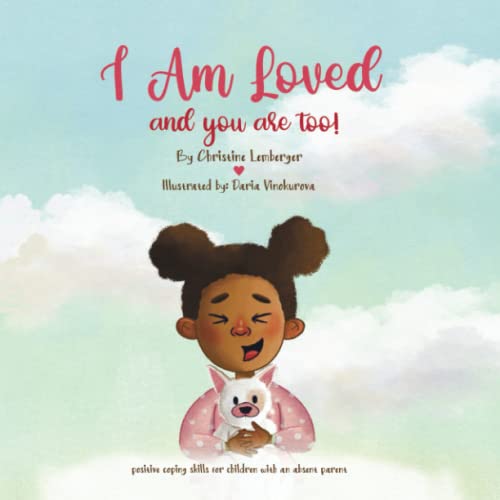
I Am Loved and You Are Too!
Christine Lemberger
Loved at first sight
Marilyn Diskerud

Loved at first sight
Marilyn Diskerud
I Am Loved
Nichole Ross
I Am Loved
Nichole Ross
Will You Love Me? Pt. 1 of 3, Chapters 1-9 : The Story of My Adopted Daughter Lucy
Cathy Glass
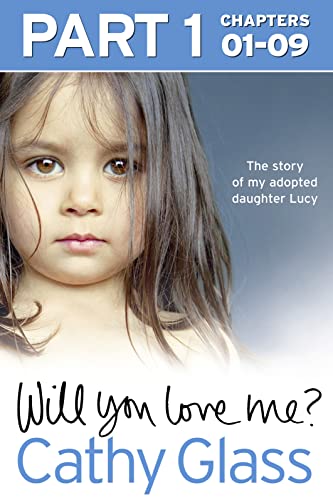
Will You Love Me? Pt. 1 of 3, Chapters 1-9 : The Story of My Adopted Daughter Lucy
Cathy Glass
Will You Love Me? Pt. 2 of 3, Chapters 10-16 : The Story of My Adopted Daughter Lucy
Cathy Glass
Will You Love Me? Pt. 2 of 3, Chapters 10-16 : The Story of My Adopted Daughter Lucy
Cathy Glass
Adoption
Barbara Tizard

Adoption
Barbara Tizard
Details
Book Length
- ISBN
- 9781589391642
- Pages
- 220
- Publisher
- Virtualbookworm Publishing
- Published
- March 2002
- Type
- Nonfiction