
Enemy child
Andrea Warren

Enemy child
Age Rating, Reading Level & Content Guide
The Story of Norman Mineta, a Boy Imprisoned in a Japanese American Internment Camp During World War II
by Andrea Warren
The text is written at a 6th grade reading level, the subject matter is intended for middle graders (ages 9–12), and the content has moderate intensity with some emotionally heavy themes.
We may earn a commission from these links. Bookshop.org supports independent bookstores with every purchase.
About This Book
Norman Mineta wasn’t just any kid—he was once labeled an "enemy child" because of where his family came from. When the world changed overnight after Pearl Harbor, Norm’s life flipped upside down, but his courage and spirit never gave up. Discover how this boy went from a camp behind barbed wire to becoming a leader who changed history forever.
Quick Assessment
Enemy Child tells the compelling true story of Norman Mineta, a Japanese American boy whose childhood was disrupted by the forced relocation and internment of Japanese Americans during World War II. This meticulously researched historical fiction is appropriate for ages 9-12 and offers insight into a difficult chapter of American history while highlighting resilience and civic leadership. The book includes photographs and extensive backmatter to support learning and reflection.
Why we rated Enemy child 11IS
Enemy child is written at a Level 6 reading level across 214 pages. Strong independent readers around grade 7.0 can typically handle this book on their own; with parent or teacher support, Enemy child works for readers up to grade 8.0.
We rate Enemy child as 11IS ("Intense — Social") because the content sits in the "Moderate" range — moderate conflict that may involve loss, scary scenes, or interpersonal stakes. The strongest signals come from emotional weight, social complexity, thematic difficulty — these are the dimensions parents should evaluate against their reader's tolerance.
No specific content flags were raised by community reviewers, which is consistent with the moderate intensity score.
Thematically, Enemy child explores coming of age, family, historical, social justice, and multicultural — these threads give the book room to mean different things to different readers. Each of these themes is concrete enough to seed a real conversation, not just a moral lesson.
Good fit for
- ✓ Children in the Ages 9-12 range — the maturity and attention span match the story's pacing.
- ✓ Patient readers who enjoy slower, character-driven stories.
- ✓ Readers ready to talk through themes after they finish — there's enough substance for a meaningful conversation.
- ✓ Kids drawn to stories about coming of age, family, historical.
- ✓ Curious kids who prefer real-world topics over made-up stories.
Maybe not for
- ! Readers who get easily upset by emotional or moderately dark scenes — the conflict here is real, not just background flavor.
- ! Reluctant readers who need a fast hook — the pacing here rewards patience.
For Parents
Content Intensity
11IS — Intense — SocialReal stakes and emotional weight. May include sustained danger, loss, or bullying.
Was our "Moderate" content intensity rating accurate for this book?
Reading Insights
Hook Factor
1/10A steady, thoughtful read that rewards patient readers.
Discussion Potential
5/10Good conversation starter with themes worth exploring together.
Book DNA
Multi-dimensional content fingerprint
Similar Books
Based on content and theme analysis
Kid Soldier
Jennifer Maruno
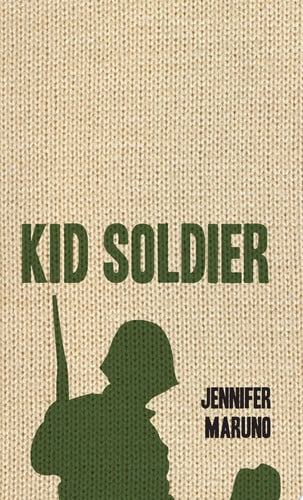
Kid Soldier
Jennifer Maruno
My friend the enemy
J. B. Cheaney
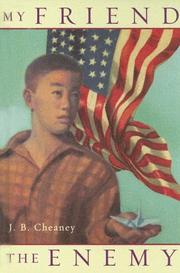
My friend the enemy
J. B. Cheaney
The enemy
Riordan, James
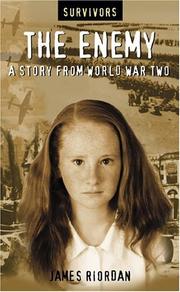
The enemy
Riordan, James
Kid soldier
Jennifer Maruno

Kid soldier
Jennifer Maruno
A boy of Heart Mountain
Barbara Bazaldua

A boy of Heart Mountain
Barbara Bazaldua
Pearl Harbor Child
Dorinda Makanaonalani Stagner Nicholson

Pearl Harbor Child
Dorinda Makanaonalani Stagner Nicholson
Details
Book Length
- ISBN
- 9780823441518
- Pages
- 214
- Publisher
- Holiday House
- Published
- 2019
- Type
- Nonfiction