
Reviewed by HootRated editorial · Last updated
Beck
Mal Peet

Beck
Age Rating, Reading Level & Content Guide
by Mal Peet
The text is written at a 4th grade reading level, the subject matter is intended for teens (ages 13+), and the content has moderate intensity with some emotionally heavy themes. Its HootRating code, ME, means moderate content, mostly emotional.
We may earn a commission from these links.
About This Book
What if you had to leave everything you knew to find where you truly belong? Imagine being Beck, a boy who travels from Canada to America during the Great Depression, facing tough challenges and discovering what it means to grow up. Can Beck find hope and love despite all the hardships in his path?
Themes
Quick Assessment
Beck follows a mixed-race orphan from childhood in Liverpool through a harsh Catholic institution in Canada, hard labor on a farm, and a westward escape through the Great Depression. Expect sustained portrayals of loss, loneliness, poverty, and racial prejudice, along with physical danger and religious settings that shape the story's hardships. Its emotional weight is serious, but the novel is ultimately about resilience and the search for belonging, which makes it a rewarding choice for older teens ready for difficult history.
Why we rated Beck ME (Moderate)
Beck is written at a Level 4-5 reading level across 261 pages. Upper Grades (Ages 13+) is the typical interest range for this book — readers in that age band have the maturity and attention span suited to the story, separate from whether they can decode the words.
We rate Beck as ME (Moderate, mostly emotional) because the content sits in the "Moderate" range — moderate conflict that may involve loss, scary scenes, or interpersonal stakes. The strongest signals come from emotional weight, social complexity, thematic difficulty — these are the dimensions parents should evaluate against their reader's tolerance.
No specific content flags were raised by community reviewers, which is consistent with the moderate intensity score.
Thematically, Beck explores coming of age, orphans, family, historical, and depression era — these threads give the book room to mean different things to different readers. Each of these themes is concrete enough to seed a real conversation, not just a moral lesson.
Good fit for
- ✓ Children in the Ages 13+ range — the maturity and attention span match the story's pacing.
- ✓ Readers ready to talk through themes after they finish — there's enough substance for a meaningful conversation.
- ✓ Kids drawn to stories about coming of age, orphans, family.
Maybe not for
- ! Readers who get easily upset by emotional or moderately dark scenes — the conflict here is real, not just background flavor.
For Parents
Content Intensity
ME · Moderate · EmotionalReading the HootRating code: the first letter is the content intensity (C = Gentle · L = Mild · M = Moderate · I = Intense · V = Very Intense); the second, when there is one, is the kind of content that drives it (E = Emotional · P = Physical · S = Social · T = Thematic). Reading level and age range are rated separately. How we rate
Real stakes and emotional weight. May include sustained danger, loss, or bullying.
Was our "Moderate" content intensity rating accurate for this book?
Reading Insights
Discussion Potential
5/10Good conversation starter with themes worth exploring together.
Book DNA
Multi-dimensional content fingerprint
If your child liked this book, they might like these
Matched on content and themes — all rated for reading level and content intensity.
Looking for Alaska
John Green

Looking for Alaska
John Green
Full ride
Margaret Peterson Haddix

Full ride
Margaret Peterson Haddix
Beetle Boy
Margaret Willey

Beetle Boy
Margaret Willey
Lost at the junction
Cindy Schuster

Lost at the junction
Cindy Schuster
Lucky strikes
Louis Bayard

Lucky strikes
Louis Bayard
Going Over
Beth Kephart

Going Over
Beth Kephart
Trouble
Gary D. Schmidt
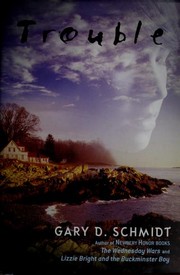
Trouble
Gary D. Schmidt
The girl from the sea
James Aldridge

The girl from the sea
James Aldridge
Details
Book Length
- ISBN
- 9780763678425
- Pages
- 261
- Publisher
- National Geographic Books
- Published
- 2017
- Type
- Fiction