
A teenager's journey
Richard B. Pelzer

A teenager's journey
Age Rating, Reading Level & Content Guide
Overcoming a Childhood of Abuse
by Richard B. Pelzer
The text is written at a 6th grade reading level, the subject matter is intended for teens (ages 13+), and the content is intense and may include graphic or distressing scenes.
We may earn a commission from these links. Bookshop.org supports independent bookstores with every purchase.
About This Book
A young teen battles the lasting impact of a painful childhood marked by abuse and addiction. Amid these challenges, a chosen family steps in, providing a beacon of hope and support that guides him toward healing and strength. This powerful story reveals the resilience of the human spirit in the face of hardship.
Quick Assessment
This is a Level 6-7 book with intense content intensity. Content themes include emotional: loss & grief, emotional: family change, emotional: mental health. Written for readers ages 13+.
Why we rated A teenager's journey 11IE
A teenager's journey is written at a Level 6-7 reading level across 215 pages (approximately 50,693 words). Strong independent readers around grade 7.2 can typically handle this book on their own; with parent or teacher support, A teenager's journey works for readers up to grade 8.2.
Read aloud, A teenager's journey runs about 5.6 hours — long enough to span several bedtime sessions.
We rate A teenager's journey as 11IE ("Intense — Emotional") because the content sits in the "Intense" range — intense conflict including peril, frightening scenes, or emotionally heavy themes. The strongest signals come from emotional weight, social complexity — these are the dimensions parents should evaluate against their reader's tolerance.
Specific content flags noted by reviewers: Emotional: Loss & Grief, Emotional: Family Change, Emotional: Mental Health, Social: Substance Use.
Thematically, A teenager's journey explores coming of age, family, survival, and social justice — these threads give the book room to mean different things to different readers.
Good fit for
- ✓ Children in the Ages 13+ range — the maturity and attention span match the story's pacing.
- ✓ Patient readers who enjoy slower, character-driven stories.
- ✓ Readers ready to talk through themes after they finish — there's enough substance for a meaningful conversation.
- ✓ Kids drawn to stories about coming of age, family, survival.
- ✓ Curious kids who prefer real-world topics over made-up stories.
Maybe not for
- ! Sensitive readers who get overwhelmed by intense conflict or scary scenes.
- ! Children younger than 13+ — the content intensity is above what most younger kids can process comfortably.
- ! Children currently coping with grief — the themes may hit close to home.
- ! Reluctant readers who need a fast hook — the pacing here rewards patience.
For Parents
Content Intensity
11IE — Intense — EmotionalHeavy themes explored in depth. War, death, abuse addressed directly.
Content Flags
Was our "Intense" content intensity rating accurate for this book?
Reading Insights
Hook Factor
2/10A steady, thoughtful read that rewards patient readers.
Discussion Potential
4/10Good conversation starter with themes worth exploring together.
Book DNA
Multi-dimensional content fingerprint
Similar Books
Based on content and theme analysis
A list of things that didn't kill me
Jason Schmidt

A list of things that didn't kill me
Jason Schmidt
A brother's journey
Richard B. Pelzer

A brother's journey
Richard B. Pelzer
Surviving and Transcending a Traumatic Childhood
Linda Skogrand
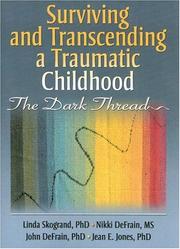
Surviving and Transcending a Traumatic Childhood
Linda Skogrand
I Was A Teen Abuser
Donna M. Kshir
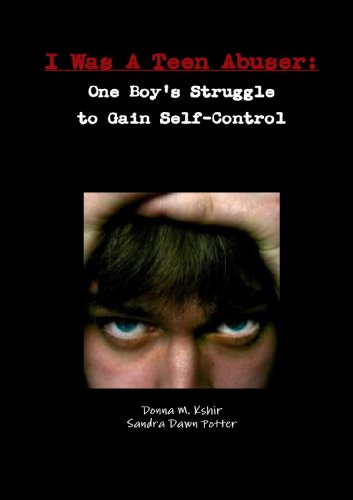
I Was A Teen Abuser
Donna M. Kshir
Healing the wounds of childhood
Dennis J. McGuire
Healing the wounds of childhood
Dennis J. McGuire
Teens write through it
Fairview Press
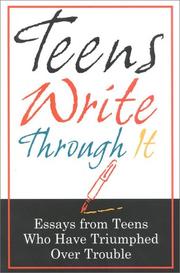
Teens write through it
Fairview Press
Details
Book Length
- ISBN
- 044657970X
- Pages
- 215
- Publisher
- Wellness Central
- Published
- 2006
- Type
- Nonfiction
- Word Count
- 50,693
- Read-Aloud
- ~5h 38m
- Text Density
- Standard