Reviewed by HootRated editorial · Last updated
1984
George Orwell

The text is written at an 8th grade reading level, the subject matter is intended for teens (ages 13+), and the content is intense and may include graphic or distressing scenes. Its HootRating code, IS, means intense content, mostly social.
We may earn a commission from these links.
About This Book
What if you lived in a world where Big Brother is always watching, and even your thoughts aren't safe? In a dark city where truth is controlled and memories are dangerous, one brave person dares to fight back. But can Winston and Julia outsmart the all-seeing eyes before it's too late?
Themes
Quick Assessment
Winston Smith lives in Oceania's dystopian London, where the Party monitors every move and rewrites history, and his forbidden romance with Julia pulls him into a risky rebellion. The book is written for adult readers and suits mature teens; it includes torture, psychological manipulation, surveillance and stalking, drugging, physical restraint, a mention of rape, alcohol abuse, and a parent abandoning a child. Parents should preview the later chapters, which are the most intense, and be ready to talk about power, propaganda, and personal courage.
Why we rated 1984 IS (Intense)
1984 is written at a Level 8-9 reading level across 648 pages. Upper Grades (Ages 13+) is the typical interest range for this book — readers in that age band have the maturity and attention span suited to the story, separate from whether they can decode the words.
We rate 1984 as IS (Intense, mostly social) because the content sits in the "Intense" range — intense conflict including peril, frightening scenes, or emotionally heavy themes. The strongest signals come from emotional weight, physical peril, social complexity, thematic difficulty — these are the dimensions parents should evaluate against their reader's tolerance.
Specific content flags noted by reviewers: Political Oppression, Surveillance, Dangerous Situations.
Thematically, 1984 explores dystopian, political fiction, science fiction, coming of age, and resistance — these threads give the book room to mean different things to different readers.
Good fit for
- ✓ Children in the Ages 13+ range — the maturity and attention span match the story's pacing.
- ✓ Kids drawn to stories about dystopian, political fiction, science fiction.
Maybe not for
- ! Sensitive readers who get overwhelmed by intense conflict or scary scenes.
- ! Children younger than 13 — the content intensity is above what most younger kids can process comfortably.
For Parents
Content Intensity
IS · Intense · SocialReading the HootRating code: the first letter is the content intensity (C = Gentle · L = Mild · M = Moderate · I = Intense · V = Very Intense); the second, when there is one, is the kind of content that drives it (E = Emotional · P = Physical · S = Social · T = Thematic). Reading level and age range are rated separately. How we rate
Heavy themes explored in depth. War, death, abuse addressed directly.
Content Flags
Was our "Intense" content intensity rating accurate for this book?
Reading Insights
Discussion Potential
2/10A lighter read — great for independent enjoyment.
Book DNA
Multi-dimensional content fingerprint
If your child liked this book, they might like these
Matched on content and themes — all rated for reading level and content intensity.
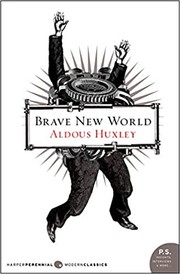
Brave New World
Aldous Huxley
Brave New World
Aldous Huxley
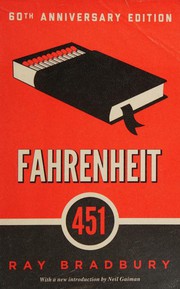
Fahrenheit 451
Ray Bradbury
Fahrenheit 451
Ray Bradbury
We
Yevgeny Zamyatin

We
Yevgeny Zamyatin
The Handmaid's Tale
Margaret Atwood

The Handmaid's Tale
Margaret Atwood
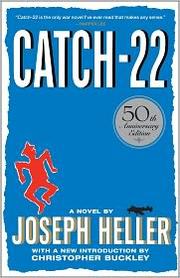
Catch-22
Joseph Heller
Catch-22
Joseph Heller
A Clockwork Orange
Anthony Burgess

A Clockwork Orange
Anthony Burgess
Little Brother
Cory Doctorow

Little Brother
Cory Doctorow
Foundation's edge
Isaac Asimov

Foundation's edge
Isaac Asimov
Details
Book Length
- ISBN
- 9780547249643
- Pages
- 648
- Publisher
- HarperCollins
- Published
- 2008
- Type
- Fiction