
Snapshots in History Books in Order
Snapshots in History is a 3-book series by Stephanie Fitzgerald for ages 9+, at a grades 7–9 reading level, with gentle to moderate content (HootRated intensity 1–3 out of 5).
- Books
- 3
- By publication date
- Content intensity
- Gentle to moderate
- HootRated 1–3 out of 5 · avg 2
Snapshots in History Reading Order
Series numbers aren't available for most Snapshots in History books, so they're listed by publication date (oldest first).
| # | Title | Reading Level | Ages | Content |
|---|---|---|---|---|
| 1 | Little Rock Nine Struggle for Integration 2006 | Level 7-8 | 11+ | Moderate |
| 2 | The Progressive Party The Success of a Failed Party 2007 · Hilarie Staton | Level 8-9 | 9-12 | Gentle |
| 3 | The Republican Party 2007 · Dale Anderson | Level 9-10 | 9-12 | Mild |
Content Intensity Across the Series
VariesContent intensity ranges from Gentle to Moderate across the series.
Series books grow with readers — but that's also the trap. Most series start at one reading level and one content intensity and drift upward over the course of the run. Snapshots in History (3 books by Stephanie Fitzgerald) lands at a grades 7–9 reading level, with average content intensity 2/5. Intensity varies from book to book, so check individual ratings in the list above.
The reading-order table above lists every book with per-volume reading level, age and intensity ratings so you can spot any escalation before it catches your reader off guard. For a deeper dive into how we score text difficulty vs. emotional weight separately — and why series readers especially benefit from that split — see our methodology page.
All Snapshots in History Books
Little Rock Nine
Stephanie Fitzgerald
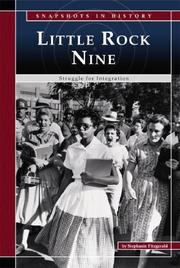
Little Rock Nine
Stephanie Fitzgerald
The Progressive Party
Hilarie Staton
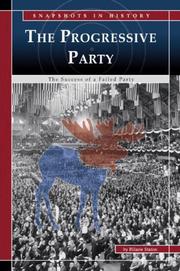
The Progressive Party
Hilarie Staton
The Republican Party
Dale Anderson

The Republican Party
Dale Anderson
Series Like Snapshots in History: What to Read Next
Similar reading level, content intensity and themes.
- African-American Biography Library by Anne E. Schraff 3 books · Grades 7–8 · gentle to mild content
- People at the Center Of by Gail Stewart 7 books · Grades 7–9 · gentle to intense content
- PowerPlus Books; Library of American Lives and Times by James L. Haley 3 books · Grades 8–9 · gentle to mild content
- Library of American Lives and Times; PowerPlus Books by Lisa DeCarolis 8 books · Grades 7–9 · gentle to intense content
- Career Biographies by Jean F. Blashfield 5 books · Grades 7–9 · gentle to mild content
- In American History by David K. Fremon 11 books · Grades 6–9 · gentle to moderate content
Questions about the Snapshots in History series
- What reading level is the Snapshots in History series?
- Snapshots in History books are at a grades 7–9 reading level (average grade level 8.5), and HootRated recommends the series for ages 9+. There are 3 books in the series.
- What order should I read the Snapshots in History books?
- Series numbers aren't available for most Snapshots in History books, so HootRated lists them by publication date: Little Rock Nine (2006); The Progressive Party (2007); The Republican Party (2007).
- What age is the Snapshots in History series appropriate for?
- HootRated recommends Snapshots in History for ages 9+. Content is gentle to moderate (HootRated intensity 1–3 out of 5). Intensity varies from book to book, so check individual ratings in the list above.