Where have all the bees gone? : pollinators in crisis
Rebecca E. Hirsch

Where have all the bees gone? : pollinators in crisis
Age Rating, Reading Level & Content Guide
by Rebecca E. Hirsch
The text is written at a 7th grade reading level, the subject matter is intended for teens (ages 13+), and the content is mild with minimal sensitive material.
We may earn a commission from these links. Bookshop.org supports independent bookstores with every purchase.
About This Book
Discover the critical role bees play in pollinating much of the food we enjoy, from fruits to coffee. Explore the dangers these vital pollinators face, including diseases, pesticides, and habitat loss, and learn how everyone can contribute to protecting them. Dive into the fascinating world of bees—their lives, colonies, and the urgent need to save them before some species vanish forever.
Themes
Quick Assessment
This is a Level 7-8 book with mild content intensity. Content themes include environmental threats, species decline. Written for readers ages 13+.
Why we rated Where have all the bees gone? : pollinators in crisis 12LE
Where have all the bees gone? : pollinators in crisis is written at a Level 7-8 reading level across 108 pages (approximately 19,995 words). Strong independent readers around grade 8.3 can typically handle this book on their own; with parent or teacher support, Where have all the bees gone? : pollinators in crisis works for readers up to grade 9.3.
Read aloud, Where have all the bees gone? : pollinators in crisis runs about 2.2 hours — long enough to span several bedtime sessions.
We rate Where have all the bees gone? : pollinators in crisis as 12LE ("Light — Emotional") because the content sits in the "Mild" range — mild conflict — the kind a child encounters in normal play and sibling life. Across our four dimensions (emotional, physical, social, thematic) the book reads as evenly mild; no single dimension stands out as a concern.
Specific content flags noted by reviewers: Environmental Threats, Species Decline.
Thematically, Where have all the bees gone? : pollinators in crisis explores science & nature, environmental awareness, conservation, and education — these threads give the book room to mean different things to different readers.
Good fit for
- ✓ Children in the Ages 13+ range — the maturity and attention span match the story's pacing.
- ✓ Kids drawn to stories about science & nature, environmental awareness, conservation.
- ✓ Curious kids who prefer real-world topics over made-up stories.
Maybe not for
- ! Readers whose emotional readiness lags behind their decoding skills — this book's intensity outruns its reading level, a classic "gifted kid" mismatch.
For Parents
Content Intensity
12LE — Light — EmotionalLight conflict or tension. Mild peril resolved quickly.
Content Flags
Was our "Mild" content intensity rating accurate for this book?
Reading Insights
Hook Factor
3/10A steady, thoughtful read that rewards patient readers.
Discussion Potential
1/10A lighter read — great for independent enjoyment.
Book DNA
Multi-dimensional content fingerprint
Similar Books
Based on content and theme analysis
The hive detectives
Loree Griffin Burns
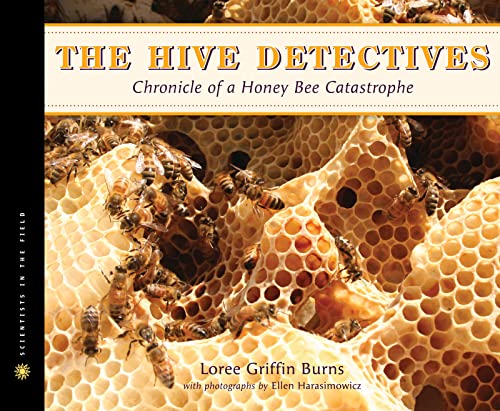
The hive detectives
Loree Griffin Burns
Bees Inside and Out (Getting Into Nature)
Gillian Houghton
Bees Inside and Out (Getting Into Nature)
Gillian Houghton
Bees in Trouble
Joseph Nunweek
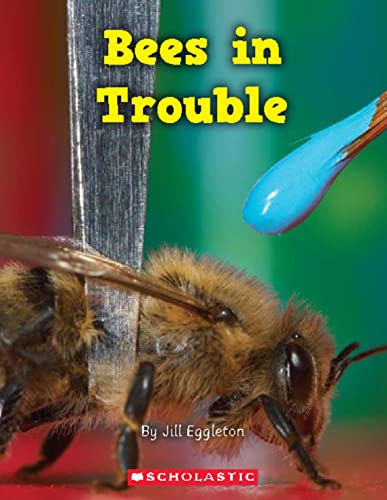
Bees in Trouble
Joseph Nunweek
Bring back the bees
Emma Bland Smith

Bring back the bees
Emma Bland Smith
Bee's Difficult Search for Food
Mary Ellen Klukow
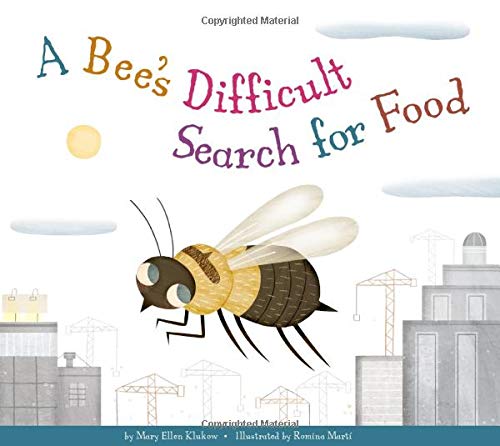
Bee's Difficult Search for Food
Mary Ellen Klukow
We Need Honeybees
Ryan Nagelhout

We Need Honeybees
Ryan Nagelhout
Details
Book Length
- ISBN
- 9781541534636
- Pages
- 108
- Publisher
- Twenty-First Century Books TM
- Published
- 2020
- Type
- Nonfiction
- Word Count
- 19,995
- Read-Aloud
- ~2h 13m
- Text Density
- Standard