
Reviewed by HootRated editorial · Last updated
The distance between lost and found
Kathryn Holmes

The distance between lost and found
Age Rating, Reading Level & Content Guide
by Kathryn Holmes
The text is written at a 3rd grade reading level, the subject matter is intended for teens (ages 13+), and the content has moderate intensity with some emotionally heavy themes. Its HootRating code, ME, means moderate content, mostly emotional.
We may earn a commission from these links. Bookshop.org supports independent bookstores with every purchase.
About This Book
After being shunned at school, Hallie faces her toughest challenge yet when she gets lost in the Smoky Mountains with two classmates. As they navigate the wild, Hallie must confront her past and learn to trust again to survive. This powerful tale explores friendship, courage, and self-discovery in the face of adversity.
Themes
Quick Assessment
This is a Level 3-4 book with moderate content intensity. Content themes include bullying, mild peril, fear & anxiety. Written for readers ages 13+.
Why we rated The distance between lost and found ME (Moderate)
The distance between lost and found is written at a Level 3-4 reading level across 297 pages (approximately 66,461 words). Upper Grades (Ages 13+) is the typical interest range for this book — readers in that age band have the maturity and attention span suited to the story, separate from whether they can decode the words.
Read aloud, The distance between lost and found runs about 7.4 hours — long enough to span several bedtime sessions.
We rate The distance between lost and found as ME (Moderate, mostly emotional) because the content sits in the "Moderate" range — moderate conflict that may involve loss, scary scenes, or interpersonal stakes. The strongest signals come from emotional weight, physical peril — these are the dimensions parents should evaluate against their reader's tolerance.
Specific content flags noted by reviewers: Bullying, Mild Peril, Fear & Anxiety, Loss & Grief.
Thematically, The distance between lost and found explores friendship, survival, coming of age, family, and faith — these threads give the book room to mean different things to different readers. Each of these themes is concrete enough to seed a real conversation, not just a moral lesson.
Good fit for
- ✓ Children in the Ages 13+ range — the maturity and attention span match the story's pacing.
- ✓ Readers ready to talk through themes after they finish — there's enough substance for a meaningful conversation.
- ✓ Kids drawn to stories about friendship, survival, coming of age.
Maybe not for
- ! Readers who get easily upset by emotional or moderately dark scenes — the conflict here is real, not just background flavor.
- ! Children currently coping with grief — the themes may hit close to home.
For Parents
Content Intensity
ME · Moderate · EmotionalReading the HootRating code: the first letter is the content intensity (C = Gentle · L = Mild · M = Moderate · I = Intense · V = Very Intense); the second, when there is one, is the kind of content that drives it (E = Emotional · P = Physical · S = Social · T = Thematic). Reading level and age range are rated separately. How we rate
Real stakes and emotional weight. May include sustained danger, loss, or bullying.
Content Flags
Was our "Moderate" content intensity rating accurate for this book?
Reading Insights
Hook Factor
2/10Fewer of the usual hooks for reluctant readers, such as a long series, humor or adventure.
Discussion Potential
6/10Good conversation starter with themes worth exploring together.
Book DNA
Multi-dimensional content fingerprint
If your child liked this book, they might like these
Matched on content and themes — all rated for reading level and content intensity.
After the woods
Kim Savage

After the woods
Kim Savage
You Know Where to Find Me
Rachel Cohn
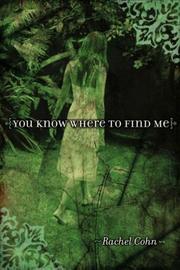
You Know Where to Find Me
Rachel Cohn
Stranded
Melinda Braun

Stranded
Melinda Braun
Trouble is a friend of mine
Stephanie Tromly

Trouble is a friend of mine
Stephanie Tromly
Adrift
Paul Griffin

Adrift
Paul Griffin
On the road to find out
Rachel Toor

On the road to find out
Rachel Toor
Forgotten
Patricia H. Rushford
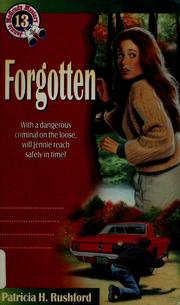
Forgotten
Patricia H. Rushford
Distance from Me to You
Marina Gessner

Distance from Me to You
Marina Gessner
Details
Book Length
- ISBN
- 9780062317261
- Pages
- 297
- Publisher
- HarperTeen
- Published
- 2015
- Type
- Fiction
- Word Count
- 66,461
- Read-Aloud
- ~7h 23m
- Text Density
- Standard