
How to Beat Granddad at Checkers
John P. Cardie

How to Beat Granddad at Checkers
Age Rating, Reading Level & Content Guide
by John P. Cardie
Illustrated by Bob Murr
The text is written at a 3rd grade reading level, the subject matter is intended for younger children (ages 5–8), and the content is gentle with no concerning themes.
We may earn a commission from these links. Bookshop.org supports independent bookstores with every purchase.
About This Book
The soft click of checkers pieces popping on the board fills the room. Every move sparks a new challenge as you try to outsmart Granddad in this exciting game of strategy and fun. Feel the thrill of planning your next move and the warmth of time spent together, but can you really beat him?
Themes
Quick Assessment
This engaging book teaches children ages 5-8 the basics of checkers alongside valuable life lessons about forethought and decision-making. Endorsed by experts and educators, it encourages intergenerational bonding by promoting regular play between grandparents and grandchildren. The book also supports the development of reasoning, math, and social skills in an accessible and entertaining format.
Why we rated How to Beat Granddad at Checkers 8C
How to Beat Granddad at Checkers is written at a Level 3 reading level across 62 pages. Strong independent readers around grade 4.0 can typically handle this book on their own; with parent or teacher support, How to Beat Granddad at Checkers works for readers up to grade 5.0.
We rate How to Beat Granddad at Checkers as 8C ("Clear") because the content sits in the "Gentle" range — no conflict beyond everyday childhood experiences. Across our four dimensions (emotional, physical, social, thematic) the book reads as evenly gentle; no single dimension stands out as a concern.
No specific content flags were raised by community reviewers, which is consistent with the gentle intensity score.
Thematically, How to Beat Granddad at Checkers explores games, educational, family, intergenerational relationships, and skill development — these threads give the book room to mean different things to different readers.
Good fit for
- ✓ Children in the Ages 5-8 range — the maturity and attention span match the story's pacing.
- ✓ Patient readers who enjoy slower, character-driven stories.
- ✓ Kids drawn to stories about games, educational, family.
- ✓ Curious kids who prefer real-world topics over made-up stories.
Maybe not for
- ! Reluctant readers who need a fast hook — the pacing here rewards patience.
For Parents
Content Intensity
8C — ClearNo conflict beyond everyday childhood experiences. Safe for sensitive readers.
Was our "Gentle" content intensity rating accurate for this book?
Reading Insights
Hook Factor
1/10A steady, thoughtful read that rewards patient readers.
Discussion Potential
1/10A lighter read — great for independent enjoyment.
Book DNA
Multi-dimensional content fingerprint
Similar Books
Based on content and theme analysis
How to Manipulate Grandpa
Tad Druart

How to Manipulate Grandpa
Tad Druart
How to Play Chess
DK Publishing

How to Play Chess
DK Publishing
Checker power
Pike, Robert W.
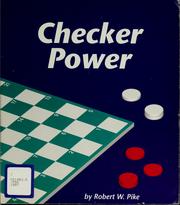
Checker power
Pike, Robert W.
The grandpas' book
John Gribble

The grandpas' book
John Gribble
Chess for kids
Richard James

Chess for kids
Richard James
Playing Chess (Beginner's Guide)
Susan Caldwell
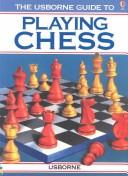
Playing Chess (Beginner's Guide)
Susan Caldwell
Details
Book Length
- ISBN
- 9781598793901
- Pages
- 62
- Publisher
- Lifevest Publishing, Inc.
- Published
- June 2007
- Type
- Nonfiction