How Should the Right to Privacy Be Defined? (Opposing Viewpoints Pamphlets)
Cengage Gale
How Should the Right to Privacy Be Defined? (Opposing Viewpoints Pamphlets)
Age Rating, Reading Level & Content Guide
by Cengage Gale
The text is written at a 3rd grade reading level, the subject matter is intended for teens (ages 13+), and the content is mild with minimal sensitive material.
We may earn a commission from these links. Bookshop.org supports independent bookstores with every purchase.
About This Book
Privacy isn't just about keeping secrets—it's about protecting your very identity in a world that wants to know everything. This book challenges you to rethink who gets to decide what’s private and why it matters more than ever. Understanding these rights could change how you live and connect forever.
Themes
Quick Assessment
This nonfiction pamphlet presents balanced opposing viewpoints on civil liberties such as privacy, freedom of the press, and censorship, aimed at young adults. It encourages critical thinking about important societal issues relevant to teenagers, suitable for ages 13-18. The content is appropriate for educational use, with no intense material but complex ideas that may prompt thoughtful discussions.
Why we rated How Should the Right to Privacy Be Defined? (Opposing Viewpoints Pamphlets) 8LN
How Should the Right to Privacy Be Defined? (Opposing Viewpoints Pamphlets) is written at a Level 3 reading level across 53 pages. Strong independent readers around grade 4.0 can typically handle this book on their own; with parent or teacher support, How Should the Right to Privacy Be Defined? (Opposing Viewpoints Pamphlets) works for readers up to grade 5.0.
We rate How Should the Right to Privacy Be Defined? (Opposing Viewpoints Pamphlets) as 8LN ("Light — Neutral") because the content sits in the "Mild" range — mild conflict — the kind a child encounters in normal play and sibling life. Across our four dimensions (emotional, physical, social, thematic) the book reads as evenly mild; no single dimension stands out as a concern.
No specific content flags were raised by community reviewers, which is consistent with the mild intensity score.
Thematically, How Should the Right to Privacy Be Defined? (Opposing Viewpoints Pamphlets) explores civil liberties, privacy, freedom of the press, censorship, and young adult issues — these threads give the book room to mean different things to different readers.
Good fit for
- ✓ Children in the Ages 13+ range — the maturity and attention span match the story's pacing.
- ✓ Patient readers who enjoy slower, character-driven stories.
- ✓ Kids drawn to stories about civil liberties, privacy, freedom of the press.
Maybe not for
- ! Reluctant readers who need a fast hook — the pacing here rewards patience.
For Parents
Content Intensity
8LN — Light — NeutralLight conflict or tension. Mild peril resolved quickly.
Was our "Mild" content intensity rating accurate for this book?
Reading Insights
Hook Factor
1/10A steady, thoughtful read that rewards patient readers.
Discussion Potential
1/10A lighter read — great for independent enjoyment.
Book DNA
Multi-dimensional content fingerprint
Similar Books
Based on content and theme analysis
Right to Privacy
Bitsy Kemper
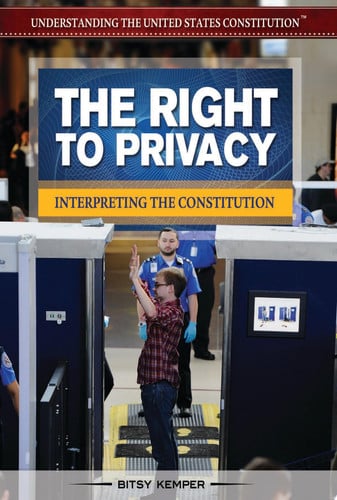
Right to Privacy
Bitsy Kemper
How Can Civil Liberties Be Protected?
Cengage Gale
How Can Civil Liberties Be Protected?
Cengage Gale
Do We Have a Right to Privacy? (What Do You Think?)
Neil Morris
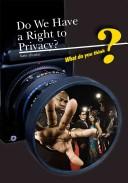
Do We Have a Right to Privacy? (What Do You Think?)
Neil Morris
Do We Have a Right to Privacy?
Neil Morris
Do We Have a Right to Privacy?
Neil Morris
The right to be let alone
Gerald S. Snyder

The right to be let alone
Gerald S. Snyder
Teen Privacy Rights
Deanne Durrett
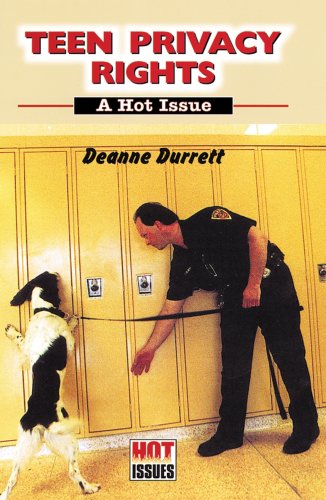
Teen Privacy Rights
Deanne Durrett
Details
Book Length
- ISBN
- 9781565101456
- Pages
- 53
- Publisher
- Greenhaven Press, Incorporated
- Published
- June 1993
- Type
- Fiction