Reviewed by HootRated editorial · Last updated
A dog called Homeless
Sarah Lean

A dog called Homeless
Age Rating, Reading Level & Content Guide
by Sarah Lean
The text is written at a 4th grade reading level, the subject matter is intended for middle graders (ages 9–12), and the content has moderate intensity with some emotionally heavy themes. Its HootRating code, ME, means moderate content, mostly emotional.
We may earn a commission from these links.
About This Book
Cally Louise, a fifth grader, finds herself silent after losing her mother, feeling the quiet weight of unspoken grief in her family. Through her friendships with a homeless man, a boy with disabilities, and the companionship of a gentle giant dog, she discovers new ways to express herself and heal. This heartfelt journey explores the power of connection and understanding beyond words.
Themes
Quick Assessment
This is a Level 4-5 book with moderate content intensity. Content themes include loss & grief, divorce & family change, disability representation. Written for readers ages 9-12.
Why we rated A dog called Homeless ME (Moderate)
A dog called Homeless is written at a Level 4-5 reading level across 202 pages (approximately 30,972 words). Reading-wise, most kids in grade 5 and up can manage A dog called Homeless on their own; younger readers can enjoy it with a parent or teacher reading along.
Read aloud, A dog called Homeless runs about 3.4 hours — long enough to span several bedtime sessions.
We rate A dog called Homeless as ME (Moderate, mostly emotional) because the content sits in the "Moderate" range — moderate conflict that may involve loss, scary scenes, or interpersonal stakes. The strongest signals come from emotional weight — these are the dimensions parents should evaluate against their reader's tolerance.
Specific content flags noted by reviewers: Loss & Grief, Divorce & Family Change, Disability Representation.
Thematically, A dog called Homeless explores grief, family, friendship, disability representation, and healing — these threads give the book room to mean different things to different readers. Each of these themes is concrete enough to seed a real conversation, not just a moral lesson.
Good fit for
- ✓ Children in the Ages 9-12 range — the maturity and attention span match the story's pacing.
- ✓ Readers ready to talk through themes after they finish — there's enough substance for a meaningful conversation.
- ✓ Kids drawn to stories about grief, family, friendship.
Maybe not for
- ! Readers who get easily upset by emotional or moderately dark scenes — the conflict here is real, not just background flavor.
- ! Children currently coping with grief — the themes may hit close to home.
For Parents
Content Intensity
ME · Moderate · EmotionalReading the HootRating code: the first letter is the content intensity (C = Gentle · L = Mild · M = Moderate · I = Intense · V = Very Intense); the second, when there is one, is the kind of content that drives it (E = Emotional · P = Physical · S = Social · T = Thematic). Reading level and age range are rated separately. How we rate
Real stakes and emotional weight. May include sustained danger, loss, or bullying.
Content Flags
Was our "Moderate" content intensity rating accurate for this book?
Reading Insights
Hook Factor
2/10Fewer of the usual hooks for reluctant readers, such as a long series, humor or adventure.
Discussion Potential
5/10Good conversation starter with themes worth exploring together.
Book DNA
Multi-dimensional content fingerprint
If your child liked this book, they might like these
Matched on content and themes — all rated for reading level and content intensity.
White fur flying
Patricia MacLachlan
White fur flying
Patricia MacLachlan
Sounder
William H. Armstrong
Sounder
William H. Armstrong
The leanin' dog
K. A. Nuzum
The leanin' dog
K. A. Nuzum
Hurt Go Happy
Ginny Rorby
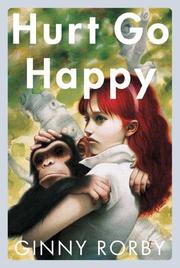
Hurt Go Happy
Ginny Rorby
Maggie and Oliver, or, A bone of one's own
Valerie Hobbs
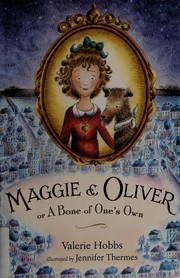
Maggie and Oliver, or, A bone of one's own
Valerie Hobbs
Little dog, lost
Marion Dane Bauer
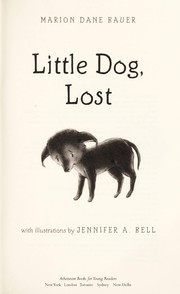
Little dog, lost
Marion Dane Bauer
Lost and found
Jim LaMarche

Lost and found
Jim LaMarche
Looking out for Sarah
Glenna Lang
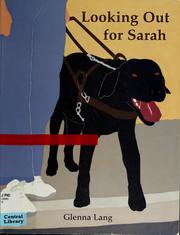
Looking out for Sarah
Glenna Lang
Details
Book Length
- ISBN
- 9780062122209
- Pages
- 202
- Publisher
- Katherine Tegen Books
- Published
- 2012
- Type
- Fiction
- Word Count
- 30,972
- Read-Aloud
- ~3h 26m
- Text Density
- Standard