Rose Named Peace
Barbara Carroll Roberts

Rose Named Peace
Age Rating, Reading Level & Content Guide
How Francis Meilland Created a Flower of Hope for a World at War
by Barbara Carroll Roberts
The text is written at a 2nd grade reading level, the subject matter is intended for younger children (ages 5–8), and the content is mild with minimal sensitive material.
We may earn a commission from these links. Bookshop.org supports independent bookstores with every purchase.
About This Book
This story tells how one man’s love for flowers grew into a rose that brought hope during a dark time. Amid the chaos of World War II, a single bloom showed that beauty can survive even the hardest battles. Discover why this rose became a symbol of peace that still matters today.
Themes
Quick Assessment
This early reader biography explores Francis Meilland’s creation of a famous rose during World War II in the French countryside. It combines historical context with an inspiring story about resilience and hope, suitable for ages 5-8. Parents should note the backdrop of war is presented gently without graphic content.
Why we rated Rose Named Peace 7LE
Rose Named Peace is written at a Level 2 reading level across 48 pages. Strong independent readers around grade 3.0 can typically handle this book on their own; with parent or teacher support, Rose Named Peace works for readers up to grade 4.0.
We rate Rose Named Peace as 7LE ("Light — Emotional") because the content sits in the "Mild" range — mild conflict — the kind a child encounters in normal play and sibling life. Across our four dimensions (emotional, physical, social, thematic) the book reads as evenly mild; no single dimension stands out as a concern.
No specific content flags were raised by community reviewers, which is consistent with the mild intensity score.
Thematically, Rose Named Peace explores biography & autobiography, historical, family, science & nature, and war & conflict — these threads give the book room to mean different things to different readers.
Good fit for
- ✓ Children in the Ages 5-8 range — the maturity and attention span match the story's pacing.
- ✓ Patient readers who enjoy slower, character-driven stories.
- ✓ Kids drawn to stories about biography & autobiography, historical, family.
- ✓ Curious kids who prefer real-world topics over made-up stories.
Maybe not for
- ! Reluctant readers who need a fast hook — the pacing here rewards patience.
For Parents
Content Intensity
7LE — Light — EmotionalLight conflict or tension. Mild peril resolved quickly.
Was our "Mild" content intensity rating accurate for this book?
Reading Insights
Hook Factor
1/10A steady, thoughtful read that rewards patient readers.
Discussion Potential
3/10A lighter read — great for independent enjoyment.
Book DNA
Multi-dimensional content fingerprint
Similar Books
Based on content and theme analysis
A Rose for Barbie
Funworks

A Rose for Barbie
Funworks
A Rose for Barbie
Funworks

A Rose for Barbie
Funworks
What are roses for?
Sandol Stoddard
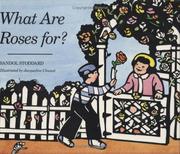
What are roses for?
Sandol Stoddard
The Rose in Floralsopar
Gina Marie Morales-Arzaga

The Rose in Floralsopar
Gina Marie Morales-Arzaga
Heirloom roses
Rayford Clayton Reddell
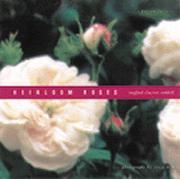
Heirloom roses
Rayford Clayton Reddell
Christmas Rose
Nancy Carpino
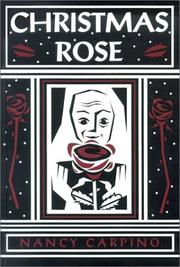
Christmas Rose
Nancy Carpino
Details
Book Length
- ISBN
- 9781536208436
- Pages
- 48
- Publisher
- Candlewick Press
- Published
- 2022
- Type
- Nonfiction