Baby's book of the body
Roger Priddy

Baby's book of the body
Age Rating, Reading Level & Content Guide
by Roger Priddy
The text is written at a 2nd grade reading level, the subject matter is intended for younger children (ages 5–8), and the content is gentle with no concerning themes.
We may earn a commission from these links. Bookshop.org supports independent bookstores with every purchase.
About This Book
What if you could explore the amazing world inside your very own body? Imagine discovering how your heart beats, your muscles move, and your brain helps you think. There's so much to learn about what makes you, you — and every page holds a new surprise!
Themes
Quick Assessment
This book offers a simple and engaging introduction to the human body, designed for early readers aged 5 to 8. It uses clear language and colorful illustrations to help children understand basic body parts and their functions. Suitable for young learners curious about themselves and how their bodies work.
For Parents
Content Intensity
Level 1 — GentleNo conflict beyond everyday childhood experiences. Safe for sensitive readers.
Was our "Gentle" content intensity rating accurate for this book?
Reading Insights
Hook Factor
1/10A steady, thoughtful read that rewards patient readers.
Discussion Potential
1/10A lighter read — great for independent enjoyment.
Book DNA
Multi-dimensional content fingerprint
Similar Books
Based on content and theme analysis
Human Body (Life Science)
Lauri Seidlitz

Human Body (Life Science)
Lauri Seidlitz
This Is My Body
Mercer Mayer
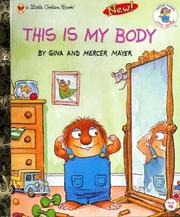
This Is My Body
Mercer Mayer
My Picture Library of the Human Body
unknown author

My Picture Library of the Human Body
unknown author
Child Atlas
Richard Walker
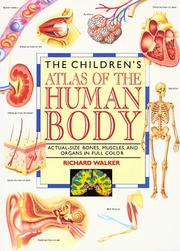
Child Atlas
Richard Walker
Let's Read About Our Bodies
Cynthia Fitterer Klingel

Let's Read About Our Bodies
Cynthia Fitterer Klingel
Human Body (Science Alive!)
Darlene Lauw

Human Body (Science Alive!)
Darlene Lauw
Details
Book Length
- ISBN
- 9780789401984
- Pages
- 24
- Publisher
- DK Publishing (Dorling Kindersley)
- Published
- 1996
- Type
- Nonfiction